
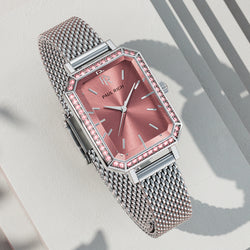

Moissanite and diamond look similar at a glance. Under a loupe, under light, and under scrutiny, the differences tell a more interesting story. Here is a direct, spec-driven comparison of the two stones — and why lab-grown moissanite has become the material of choice for modern luxury.
The Basics
| Property | Moissanite (Lab-Grown) | Diamond (Natural) |
|---|---|---|
| Hardness (Mohs) | 9.25 | 10 |
| Refractive Index | 2.65–2.69 | 2.42 |
| Brilliance | Higher (more light return) | High |
| Fire (dispersion) | 0.104 | 0.044 |
| Origin | Lab-created (silicon carbide) | Mined or lab-created |
| Cost | ~90% less than natural diamond | Varies widely |
| Conflict-Free | Always | Depends on sourcing |
Hardness
Diamond is a 10 on the Mohs scale — the hardest natural material. Moissanite scores 9.25, making it the second hardest gemstone used in jewelry. For practical purposes, both are extremely scratch-resistant. You will not notice a durability difference in daily wear on a watch or bracelet.

Brilliance and Fire
This is where moissanite actually outperforms diamond. Moissanite has a higher refractive index (2.65–2.69 vs. diamond's 2.42), meaning it bends and returns more light to your eye. It also has 2.4 times the fire (dispersion) of diamond, breaking white light into spectral colors more aggressively. The result: moissanite throws more rainbow flashes and appears more lively than a comparable diamond, especially in direct light.

Lab-Grown: What That Actually Means
Lab-grown moissanite is created through a controlled thermal process that produces silicon carbide crystals with the same optical and physical properties as natural moissanite (which is extremely rare in nature — originally discovered in a meteor crater). Lab-grown does not mean "fake." It means the stone has the same chemical composition, crystal structure, and physical properties as its natural counterpart, produced in a controlled environment.
Every moissanite stone used in Paul Rich watches is certified lab-grown, conflict-free, and individually quality-checked.
Moissanite in Watches
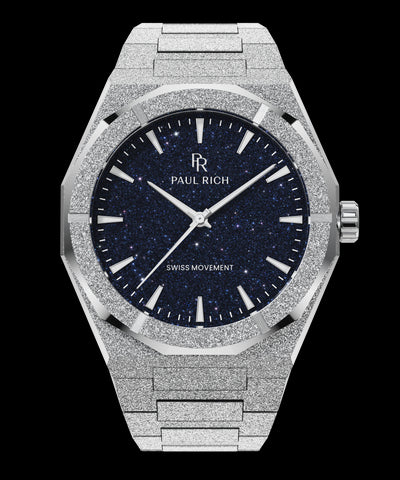
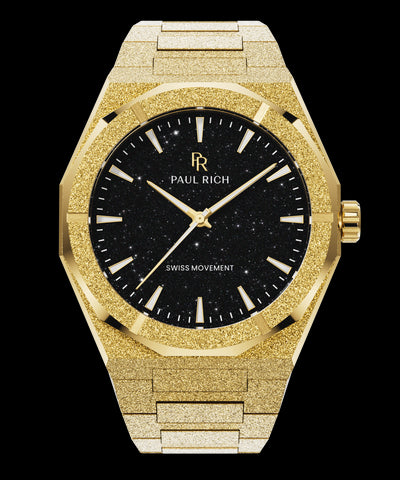
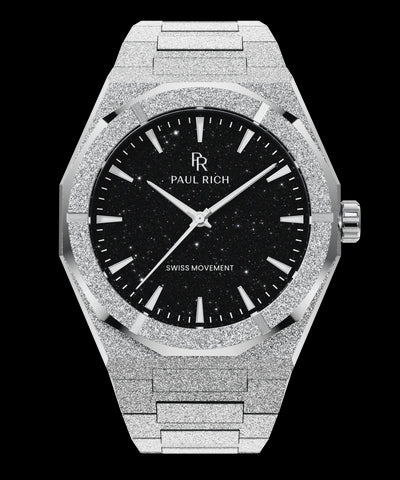
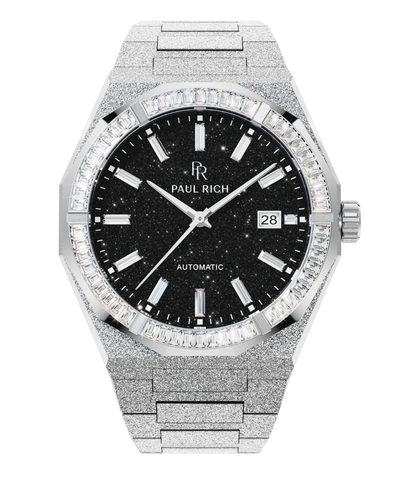
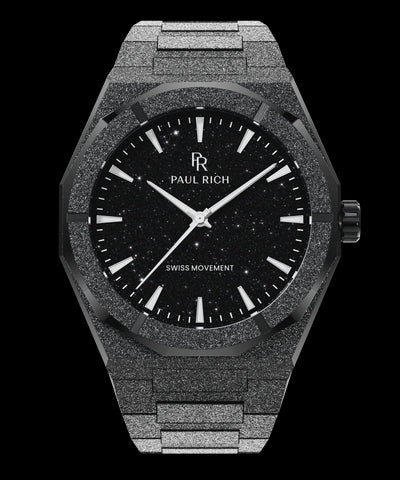
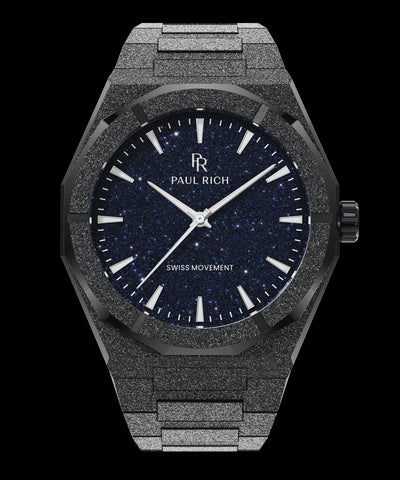
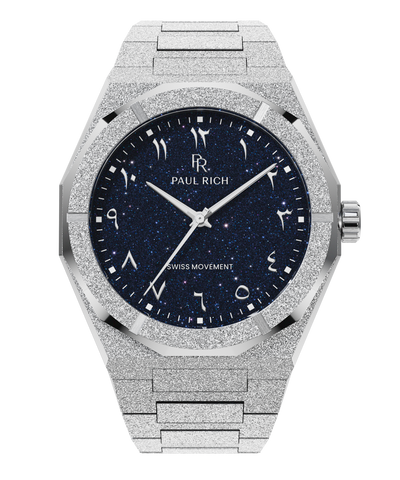
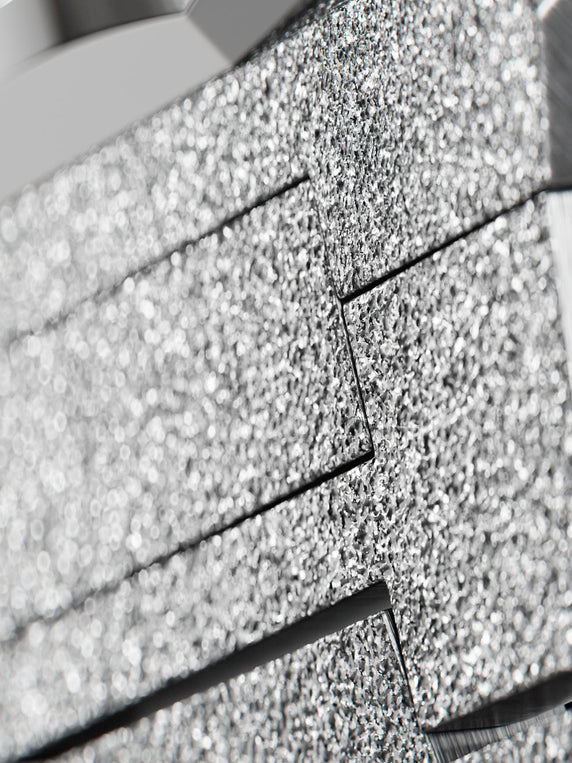
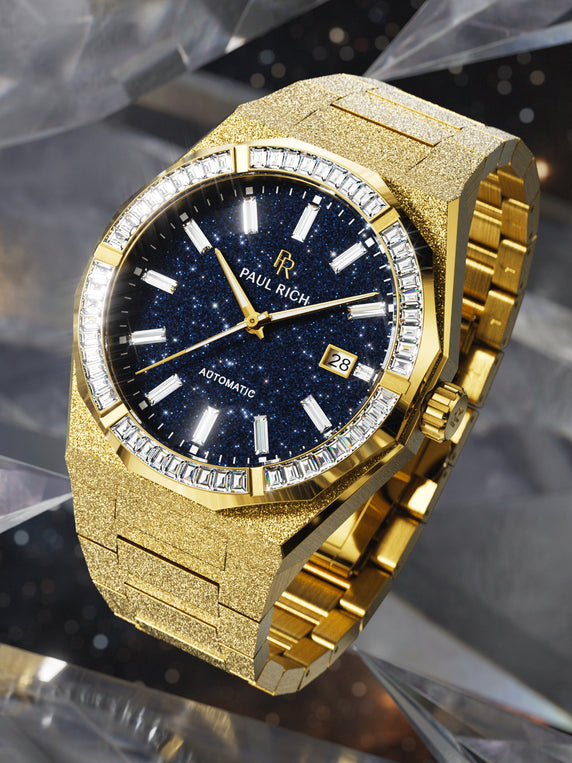
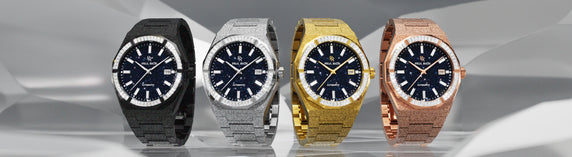
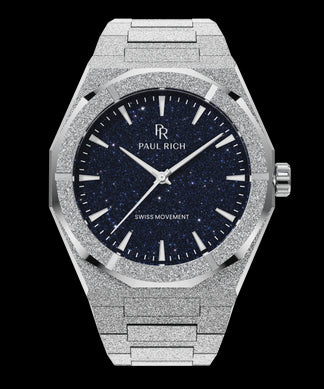
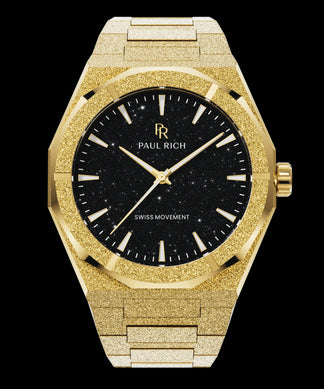
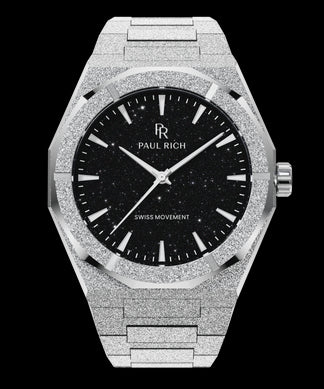
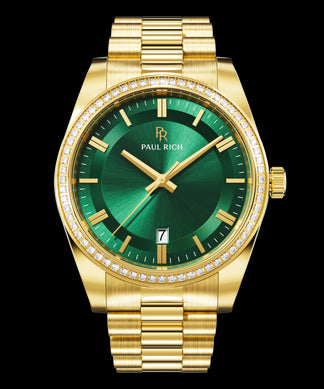
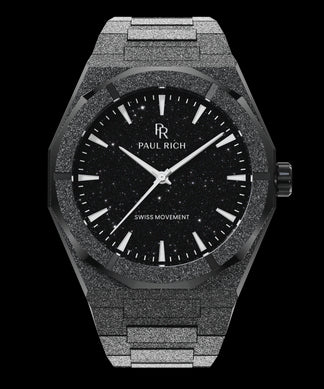
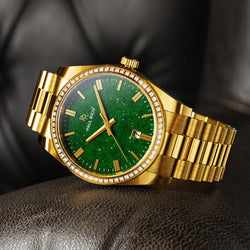
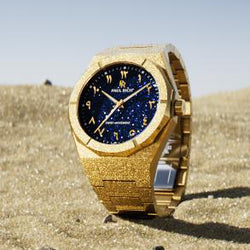
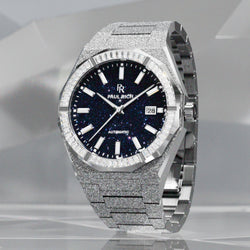
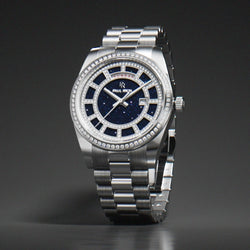
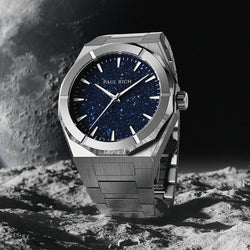
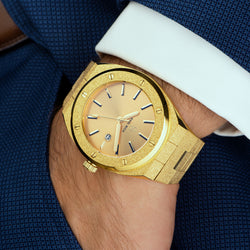
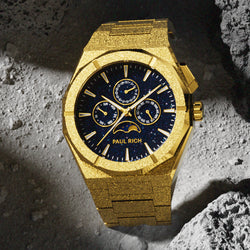
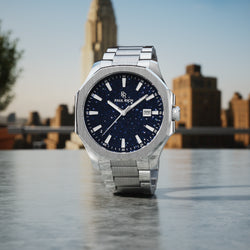
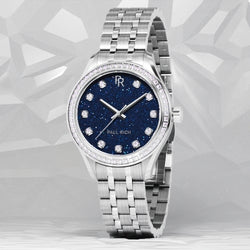
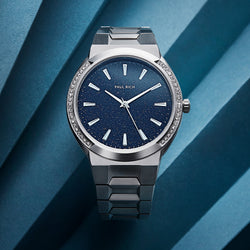
The Moissanite Frosted Star Dust II collection sets lab-grown moissanite stones into the diamond-dust frosted case and bracelet. Combined with the genuine aventurine dial, you get two premium materials — natural gemstone dial + lab-grown stones on the case — at a price point that natural diamond versions would multiply by ten or more.

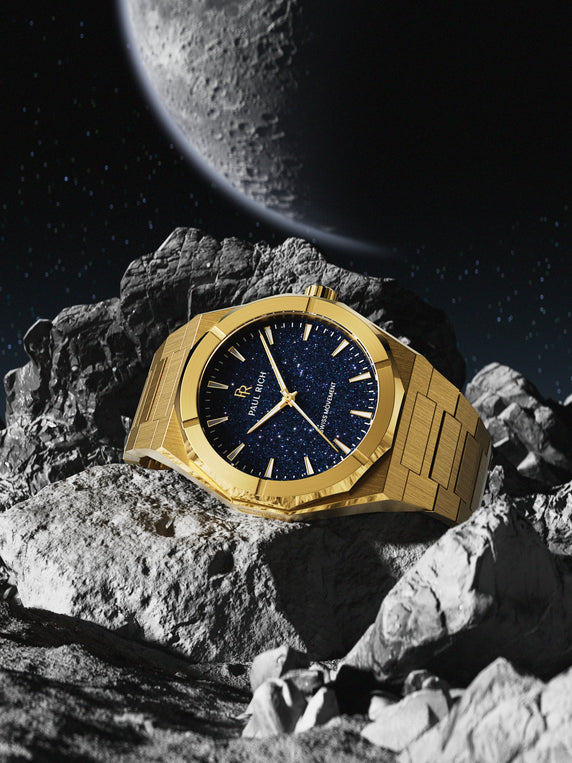
Available variants: Silver, Gold, Black, Rose Gold. The Void series adds darker dial options: Void Black, Void Gold, Void Silver.
The Diamond Astro Connection
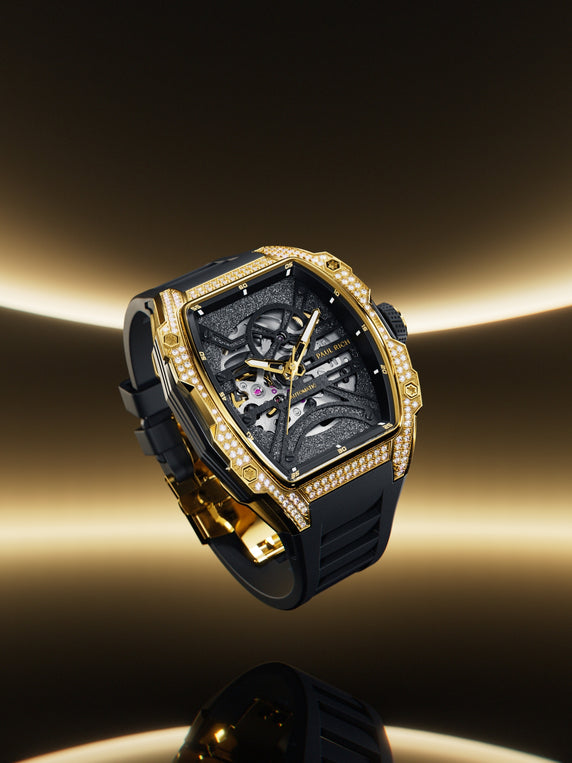
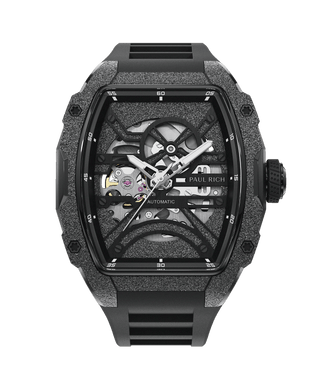
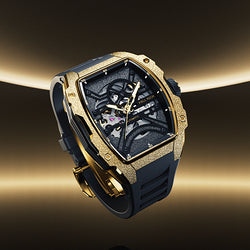
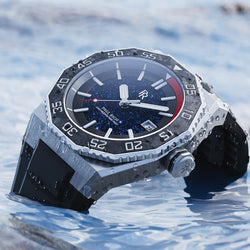
Paul Rich also uses lab-grown diamonds in the Diamond Astro Skeleton line — automatic skeleton watches with lab-grown diamond accents and sapphire crystal display casebacks. Lab-grown diamonds share the exact same physical properties as mined diamonds (carbon crystal, 10 Mohs, identical refractive index) at a significantly lower cost.
The Verdict
If you want maximum brilliance and fire, moissanite wins on pure optics. If you want the hardest possible material, diamond wins by a small margin. Both are excellent choices for watch embellishments. The real question is value: lab-grown stones deliver identical or superior visual performance without the ethical concerns or inflated pricing of mined alternatives.
Explore the diamond watches and bestsellers to see both materials in action.