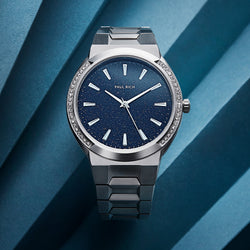

Watch Size Guide: Find Your Perfect Fit
Buying a watch online comes with one unavoidable question: what size watch should I wear? Unlike shoes, there is no universal sizing system for watches. A 42mm case can look completely different on a 6-inch wrist than on an 8-inch wrist, and case diameter alone does not tell the full story. Thickness, lug-to-lug distance, and bracelet weight all contribute to how a watch actually sits on your arm.
This watch size guide breaks down every measurement that matters, gives you two reliable ways to measure your wrist at home, and maps each Paul Rich collection to the wrist sizes it fits best. No guesswork, no returns, no regret.
How to Measure Your Wrist
Before looking at case diameters and size charts, you need one number: your wrist circumference in inches or centimeters. There are two ways to get it at home with zero special tools.
The Tape Method
Take a flexible measuring tape -- the kind used for sewing, not construction. Wrap it around your wrist just below the wrist bone, where you would normally wear a watch. Keep it snug against the skin without compressing it. Read the measurement where the tape meets itself. That is your wrist circumference.
The Paper Strip Method
If you do not have a flexible tape measure, cut a strip of paper about 10 inches long and half an inch wide. Wrap it around your wrist at the same point, mark where the strip overlaps, then lay it flat against a ruler. This method is slightly less accurate, so measure two or three times and take the average.
Tip: Measure in the afternoon or evening. Your wrist expands slightly during the day due to heat and activity. A measurement taken first thing in the morning may lead you toward a watch that feels tight by midday.
Watch Size Chart by Wrist Circumference
Once you have your wrist measurement, use this chart to find the case diameter range that will look proportional on your wrist. These are guidelines, not hard rules -- personal preference and watch design both play a role.
| Wrist Circumference | Recommended Case Diameter | Fit Description |
|---|---|---|
| 5.5" - 6.0" (14 - 15 cm) | 34 - 38mm | Proportional, clean look. Larger cases will overhang the wrist edges. |
| 6.0" - 6.5" (15 - 16.5 cm) | 36 - 40mm | The sweet spot for most mid-size watches. A 42mm can work if the lug-to-lug is short. |
| 6.5" - 7.0" (16.5 - 17.8 cm) | 38 - 42mm | Most versatile range. Nearly every standard men's watch fits well here. |
| 7.0" - 7.5" (17.8 - 19 cm) | 40 - 44mm | Can handle larger cases comfortably. A 40mm may look small depending on the design. |
| 7.5" - 8.0"+ (19 - 20+ cm) | 42 - 46mm | Larger wrists need larger cases to maintain balance. Sub-40mm watches look undersized. |
For smaller wrists (under 6 inches): Focus on watches in the 23-36mm range. The Paul Rich Icon collection at 23mm is designed specifically for this category, with a jewelry-forward profile that sits elegantly on slender wrists.
Beyond Case Diameter: The Measurements That Actually Matter
Case diameter gets all the attention, but it is only one of three dimensions that determine how a watch wears. Two watches with identical 42mm cases can feel completely different on the wrist depending on the following factors.
Lug-to-Lug Distance
This is the measurement from the tip of one lug to the tip of the opposite lug -- the total vertical span of the watch as it sits on your wrist. Lug-to-lug distance is arguably more important than case diameter because it determines whether the watch overhangs the edges of your wrist. As a general rule, the lug-to-lug distance should not exceed the width of your wrist. If the lugs extend past both sides, the watch is too large regardless of what the case diameter says.
Case Thickness
Thickness affects how the watch sits under a shirt cuff and how heavy it feels on the wrist throughout the day. Watches under 10mm are considered thin and will slide under most cuffs without trouble. Watches between 10-13mm are in the standard range. Anything above 13mm starts to feel substantial and may catch on sleeves. Dive watches and chronographs tend to run thicker due to additional complications and water resistance requirements.
How Design Affects Perceived Size
Two 40mm watches do not look the same size on the wrist. Several design factors create optical illusions that make a watch appear larger or smaller than its actual measurements:
- Dial color: Dark dials (black, deep blue, green) tend to look smaller than light dials (white, silver). If you are between sizes, a dark dial can help a larger watch appear more restrained.
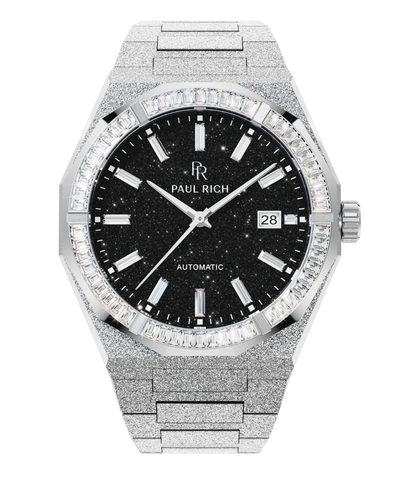
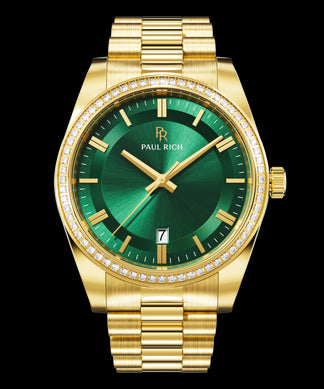
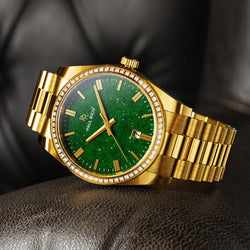
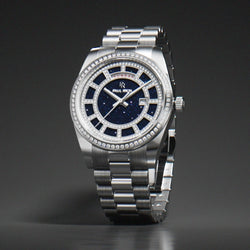
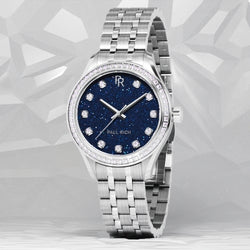
- Bezel width: A wide bezel eats into the visible dial area, making the watch look smaller than its case diameter suggests. Stone-set bezels, like those on the Paul Rich Legacy and Crown Legacy, frame the dial tightly and create a compact visual impression despite a 40mm case.
- Bracelet integration: Watches with integrated bracelets that flow smoothly from the case look sleeker and more fitted than those with traditional lugs and a separate strap. This is why an integrated-bracelet watch can wear smaller than a same-size watch on a leather strap.
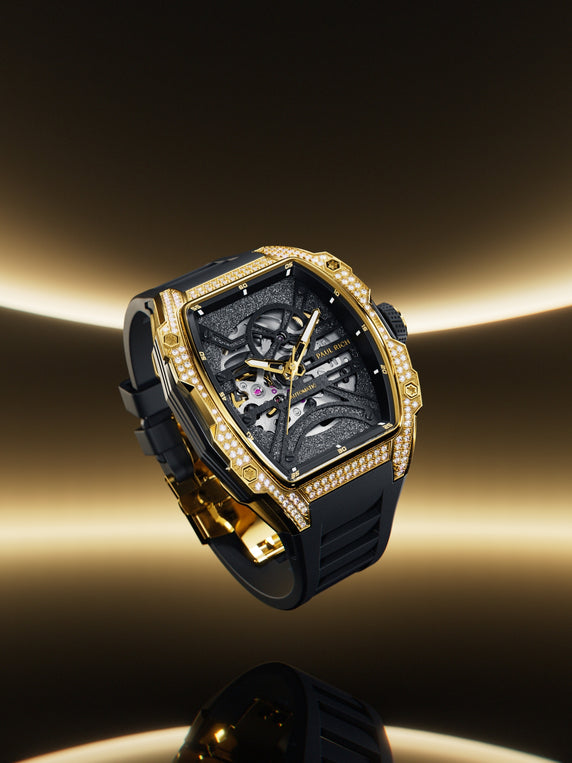
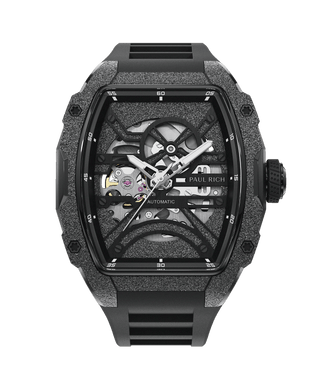
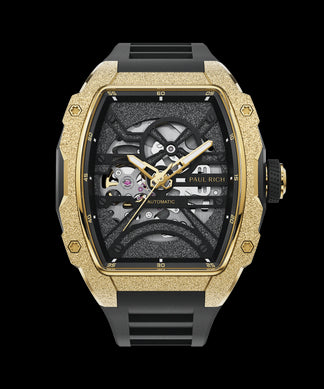
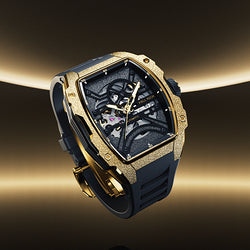
- Case shape: Tonneau (barrel-shaped) cases, like the Paul Rich Astro Skeleton, distribute their mass differently than round cases. The curved sides wrap closer to the wrist, and the case appears narrower even when the diagonal measurement is larger than a round watch.
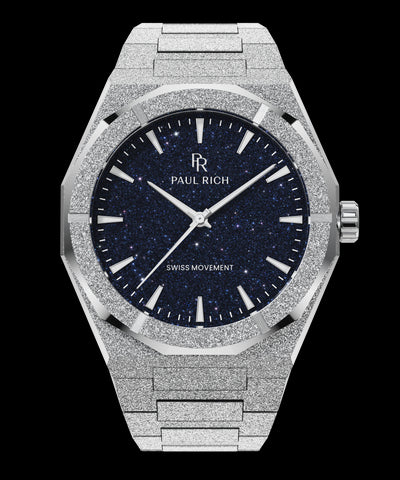
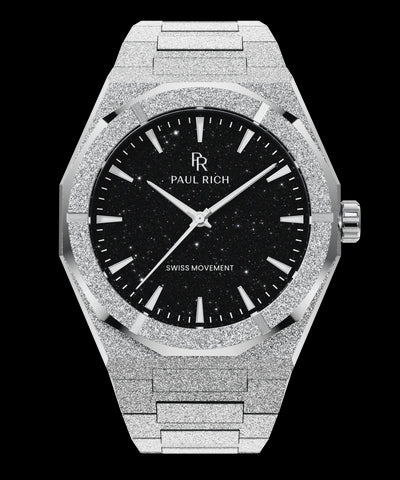
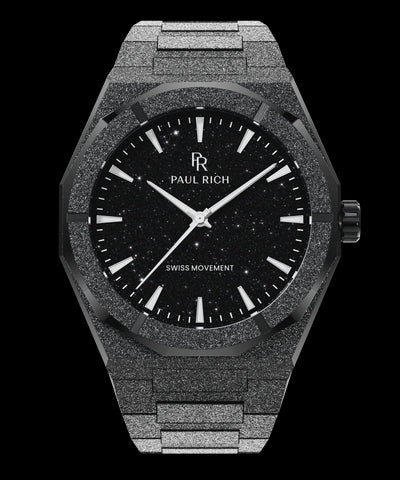
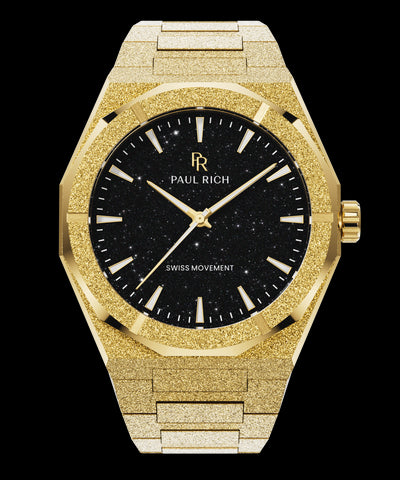
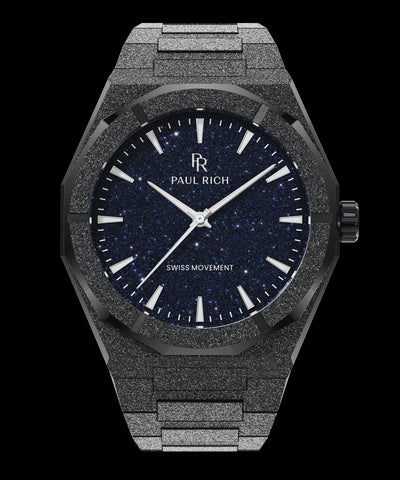
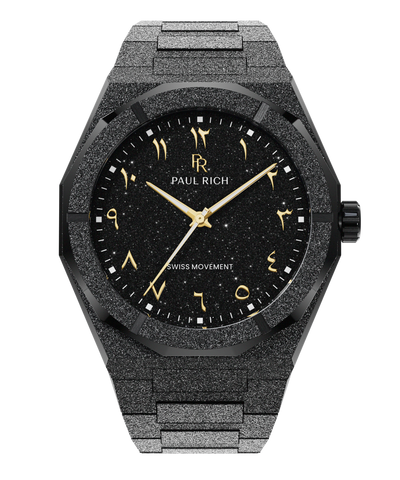
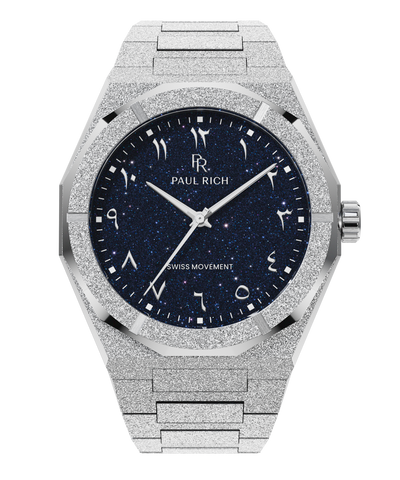
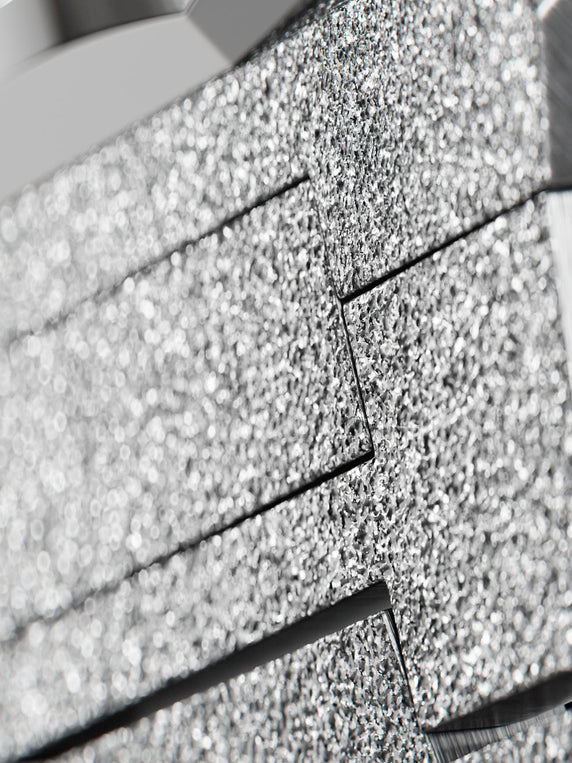
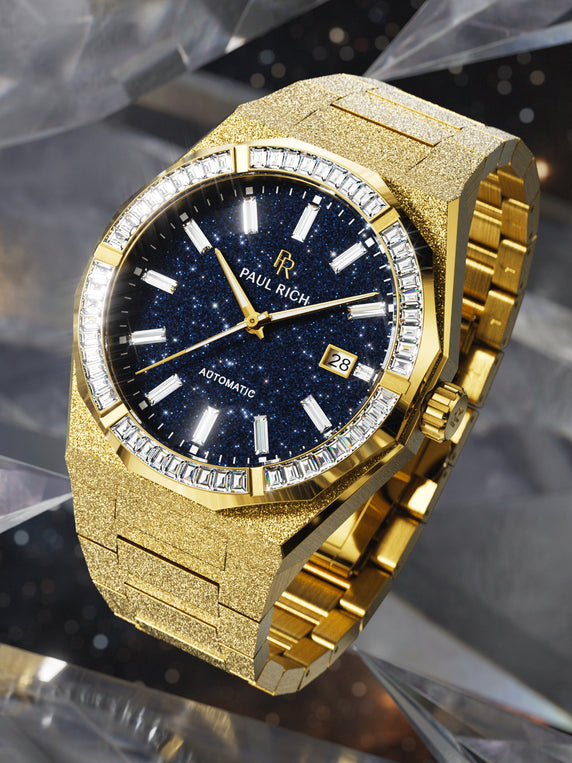
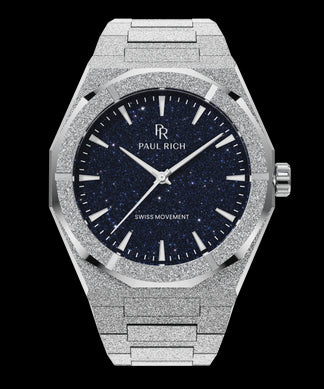
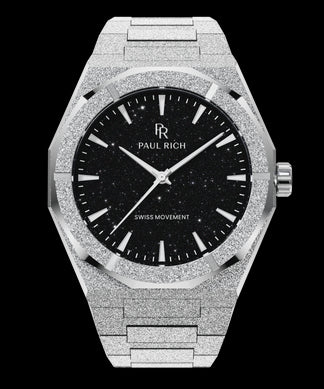
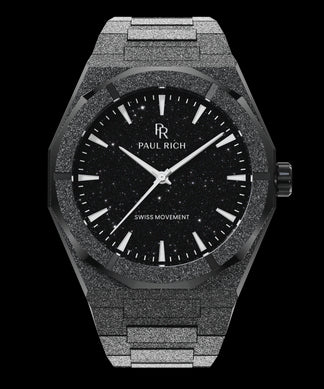
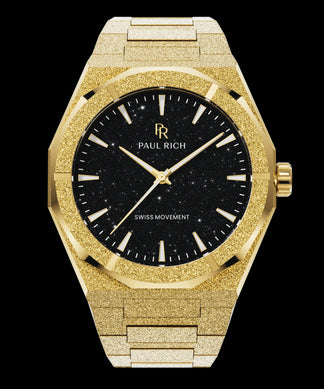
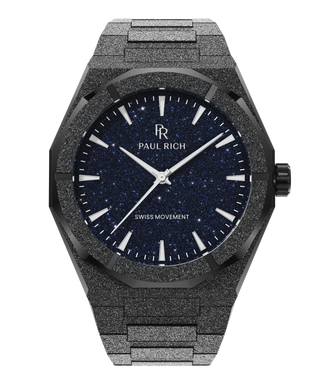
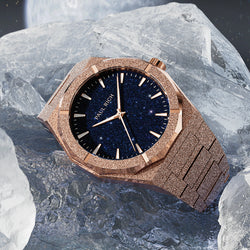
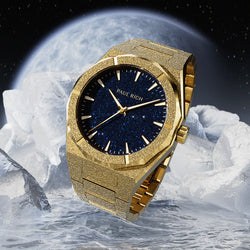
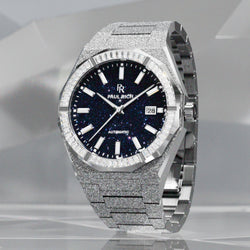
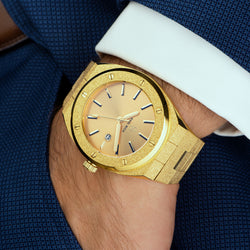
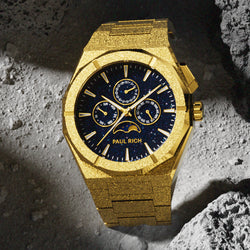
- Surface texture: Frosted finishes, like those on the Frosted Star Dust II, scatter light across thousands of diamond-cut facets. This visual complexity can make the watch appear slightly larger and more commanding than a smooth-finish equivalent.
Paul Rich Sizing Breakdown: Every Collection
Here is the exact sizing for every current Paul Rich collection, with our recommendation for which wrist sizes each one fits best.
| Collection | Case Diameter | Case Shape | Weight | Movement | Best For Wrist Size |
|---|---|---|---|---|---|
| Star Dust II | 43mm | Round | 168g | Quartz | 6.5" - 8.0"+ (17 - 20+ cm) |
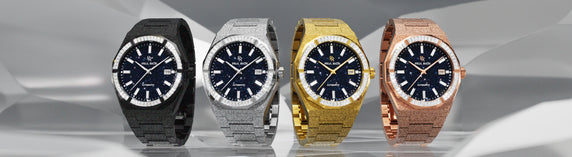
| Frosted Star Dust II | 43mm | Round | 170 - 181g | Quartz / Automatic | 6.5" - 8.0"+ (17 - 20+ cm) |
| Legacy | 40mm | Round | 130g | Japanese Quartz | 6.0" - 7.5" (15 - 19 cm) |
| Crown Legacy | 40mm | Round | 130g | Japanese Quartz | 6.0" - 7.5" (15 - 19 cm) |
| Crystal Bay | 40mm | Round | 130g | Quartz | 6.0" - 7.5" (15 - 19 cm) |
| Astro Skeleton | 42.5mm | Tonneau | 110g | Ronda Swiss Quartz | 6.0" - 7.5" (15 - 19 cm) |
| Aquacarbon Pro | 43mm | Round | 103 - 128g | Swiss Ronda 505 / Seiko NH35A | 6.5" - 8.0"+ (17 - 20+ cm) |
| Mercer | 40mm | Round | 130g | Japanese Quartz | 6.0" - 7.5" (15 - 19 cm) |
| Icon | 23mm | Round | Light | Quartz | 5.0" - 6.5" (13 - 16.5 cm) |
A Closer Look at Key Collections
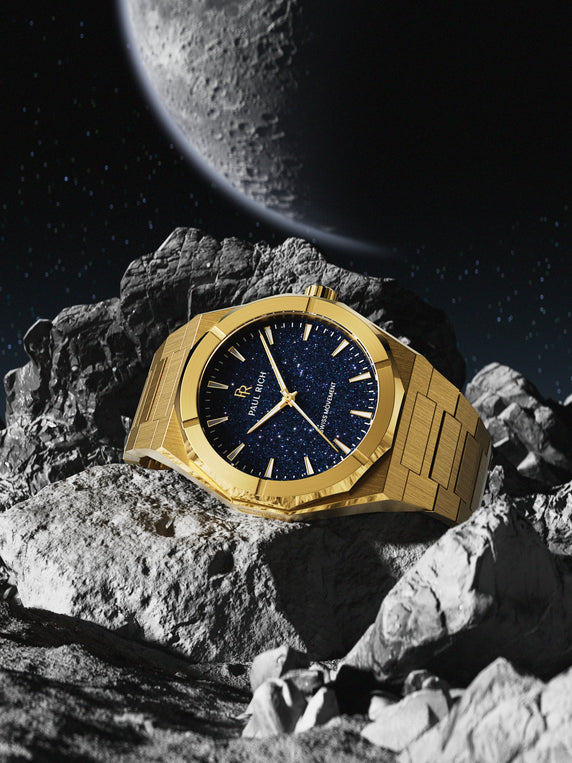
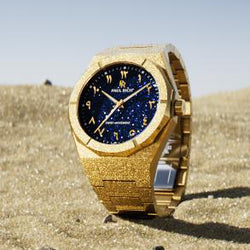
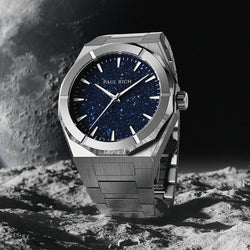
Star Dust II and Frosted Star Dust II (43mm) are our largest round watches. The stainless steel bracelet and full-size case make them statement pieces that command attention. At 168-181g, they carry real wrist presence. These work best on wrists 6.5 inches and above. On a 7-inch wrist, the proportions hit perfectly -- substantial without overwhelming. The Frosted version's diamond-cut texture adds visual weight, so it reads even larger than the standard Star Dust II despite identical dimensions.
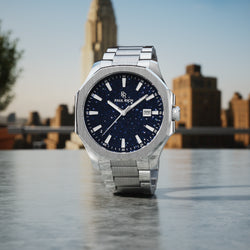
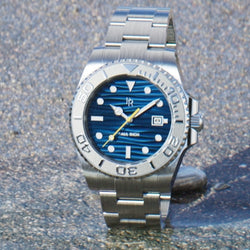
Legacy, Crown Legacy, Crystal Bay, and Mercer (40mm) represent the most universally wearable size in the lineup. At 40mm and 130g, these sit in the modern sweet spot -- large enough to make a visual impact but controlled enough for wrists as small as 6 inches. The stone-set bezels on the Legacy and Crown Legacy reduce the visible dial area, so they wear noticeably smaller than the case measurement suggests. Crystal Bay brings a dive-watch aesthetic with its unidirectional bezel and 5 ATM water resistance. The Mercer takes a cleaner, more architectural approach with straight lines and a black sunburst dial.
Astro Skeleton (42.5mm) is a special case. Despite measuring 42.5mm, the tonneau shape means the effective wrist footprint is smaller than a round 42.5mm watch. The curved barrel sides conform to the wrist, and the rubber strap at 110g makes it one of the lightest watches in the collection. This is a watch that wears at least a full millimeter smaller than its specs suggest, making it accessible to wrists from 6 inches up. The Swiss Ronda movement and aventurine dial add substance where it counts -- on the face, not on the overall mass.
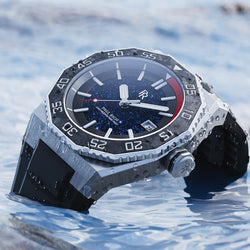
Aquacarbon Pro (43mm) is built for performance. Forged carbon fiber keeps weight down to 103g in the quartz version -- significantly lighter than the steel-bracelet Star Dust II despite sharing the same 43mm case diameter. Sapphire crystal and 200 meters of water resistance make this the most tool-oriented watch in the lineup. The rubber strap and lighter build mean it wears smaller and more comfortably than other 43mm options, making it viable for wrists as small as 6.5 inches.
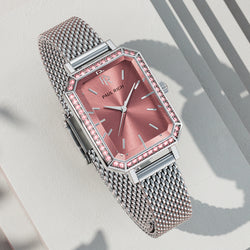
Icon (23mm) bridges the gap between watch and jewelry. At 23mm on a stainless steel mesh bracelet with 5 ATM water resistance, it is designed for wrists under 6.5 inches. Hand-set crystals on the case frame give it a refined presence that sits naturally alongside bracelets and bangles.
Common Sizing Mistakes
The Oversized Trend Is Fading
From roughly 2010 to 2020, the prevailing wisdom was bigger equals better. Watches crept up to 44mm, 46mm, even 50mm for mainstream consumers. That era is ending. The current direction in watch design favors proportionality -- a watch that fits your wrist rather than dominating it. A 40mm watch on a 6.5-inch wrist looks more intentional than a 46mm watch on the same wrist, which now reads as dated rather than bold.
This does not mean big watches are dead. It means they need to earn their size. The Star Dust II at 43mm earns it with its aventurine dial and full stainless steel construction. A generic 46mm fashion watch with a plastic case does not.
Tonneau vs Round: Do Not Compare Diameters Directly
Tonneau-shaped watches like the Astro Skeleton are measured diagonally, which inflates their number compared to round watches. A 42.5mm tonneau wears closer to a 39-40mm round because the case narrows at the 3 and 9 o'clock positions. If you normally wear a 40mm round watch and think 42.5mm sounds too big, do not rule out a tonneau case based on the number alone.
Weight Matters More Than You Think
A heavy watch feels larger than it is. A light watch feels smaller. The Aquacarbon Pro at 103g and the Star Dust II at 168g share the same 43mm case diameter, but they feel like different watches on the wrist. If you are concerned about a watch being too large, pay attention to the weight column in our size chart above. A lighter build almost always makes a given diameter more wearable.
Bracelet Type Changes Everything
A stainless steel bracelet adds visual mass and physical weight to any watch. The same case on a rubber strap or mesh bracelet will look and feel significantly different. If you love a design but the steel bracelet version feels too heavy, check if the same model comes on rubber or mesh -- it may solve the fit problem entirely.
Ignoring the Try-On Window
No size chart replaces wearing a watch for a day. When your order arrives, wear it around the house for a few hours before you decide. Check how it sits under a shirt cuff. Notice whether you keep bumping it on door frames (too thick) or whether it slides around on your wrist (too light or too loose). First impressions in the mirror matter less than all-day comfort.
The Bottom Line
Start with your wrist circumference. Use the size chart to narrow your range. Then factor in case shape, weight, and bracelet type to make the final call. For most men with wrists between 6.5 and 7.5 inches, the 40mm collections -- Legacy, Crown Legacy, Crystal Bay, Mercer -- offer the most versatile fit. For those with larger wrists or a preference for presence, the 43mm Star Dust II, Frosted Star Dust II, and Aquacarbon Pro deliver. For smaller wrists or a jewelry-forward aesthetic, the Icon at 23mm fills the space perfectly.
The right watch is not the biggest one or the most expensive one. It is the one that fits.