

Water resistance is the most misunderstood spec on a watch. A "50 meter" rating does not mean you can dive to 50 meters, and the difference between the ratings is bigger than the numbers suggest. Here is what they actually mean, and how to read them for your own watch.
Understanding the Ratings
| Rating | Equivalent | What It Actually Means |
|---|---|---|
| 3 ATM / 30m / 3 bar | Splash-proof | Rain, hand washing. |
| 5 ATM / 50m / 5 bar | The everyday standard | Rain, hand washing, everyday exposure. For anything more, follow your model's product page. |
| 10 ATM / 100m / 10 bar | Recreational water sports | Snorkeling, water skiing. No scuba. |
| 20 ATM / 200m / 20 bar | Dive-rated | Scuba diving, serious water sports. |
Why "50 Meters" Does Not Mean 50 Meters
The meter rating on a watch (30m, 50m, 100m) refers to the static pressure the watch can withstand in a laboratory test. It does not mean the watch was tested at that depth in actual water. Moving your arm while swimming, jumping into a pool, or even the pressure of a shower jet can create localized pressures that exceed the static rating.
This is why the meter figure overstates what the watch experiences in use. The "30 meters" on a 3 ATM watch describes a static lab test, and the dynamic pressures of real activity can exceed what the watch was tested for.

5 ATM: The Everyday Standard
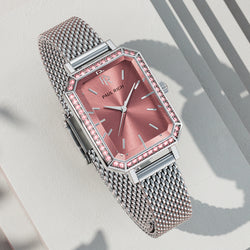
Most Paul Rich watches are rated at 5 ATM (50 meters); women's models are typically 3 ATM, and every model's exact rating is listed on its product page. In practical terms a 5 ATM rating means:
- Rain and hand washing: Yes
- Scuba diving: No. That calls for a 20 ATM / 200m rating
- Hot tubs / saunas: Not recommended. Heat and steam can degrade gaskets faster
- Anything in between: Follow the guidance for your specific model on its product page
A 5 ATM watch is built for ordinary contact with water. Where the line sits for your watch is on its product page, and the care tips below keep the seals doing their job either way.


What Degrades Water Resistance
Water resistance is not permanent. Over time, the rubber gaskets that seal the case, crown, and caseback can degrade from:
- Heat: Saunas, hot tubs, and leaving a watch on a hot dashboard can accelerate gasket degradation
- Impact: Dropping the watch or banging it against hard surfaces can shift the caseback seal
- Age: Gaskets naturally dry out over 3–5 years
- Chemicals: Chlorine, saltwater, and cleaning products can degrade gaskets faster
Practical Tips
- Rinse after saltwater or pool exposure. Fresh water removes chlorine and salt that can corrode.
- Never operate the crown underwater. The crown is sealed when pushed in, but pulling it out while submerged breaks the seal.
- Avoid extreme temperature changes. Going from a hot tub to cold water can cause condensation inside the case.
- Dry the watch after water exposure. A quick wipe with a soft cloth prevents water spots.
Paul Rich Water Resistance
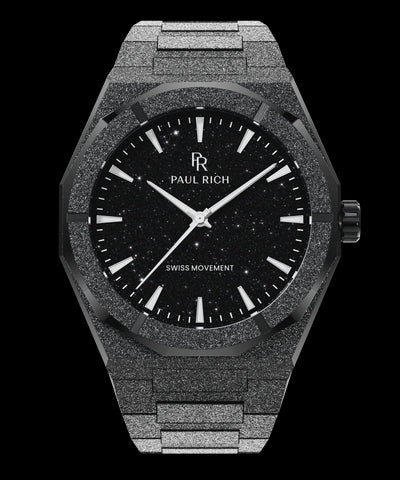
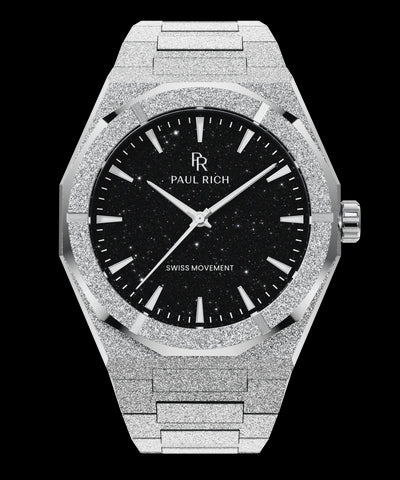
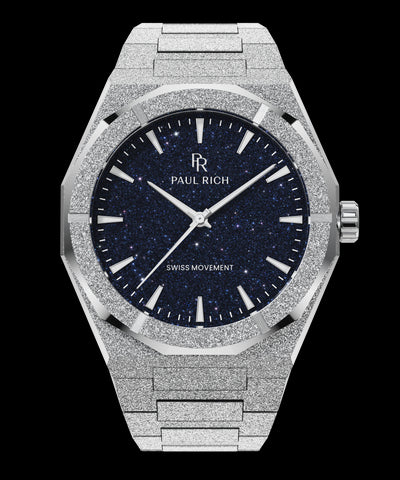
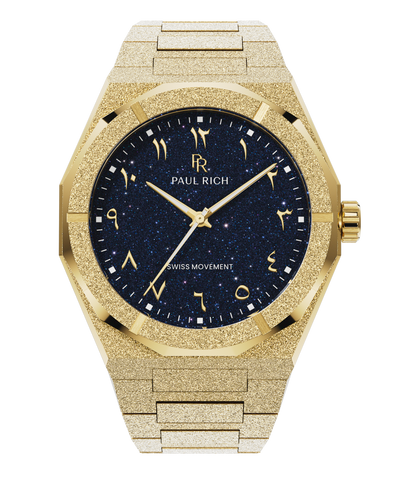
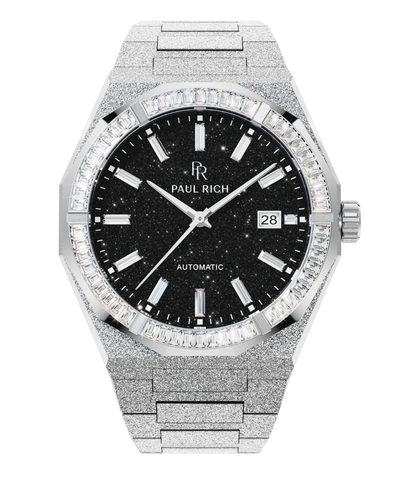
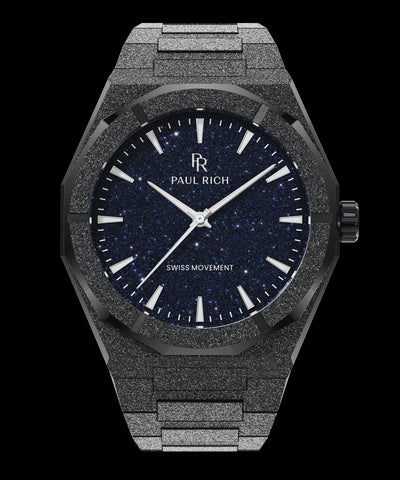
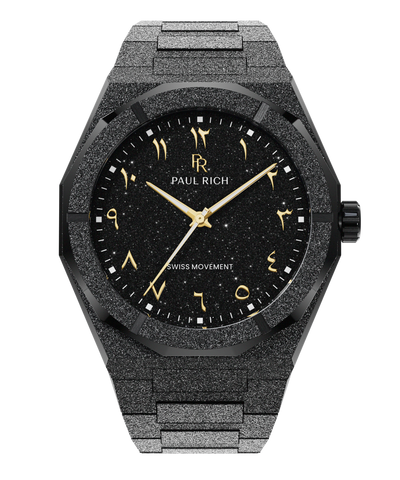
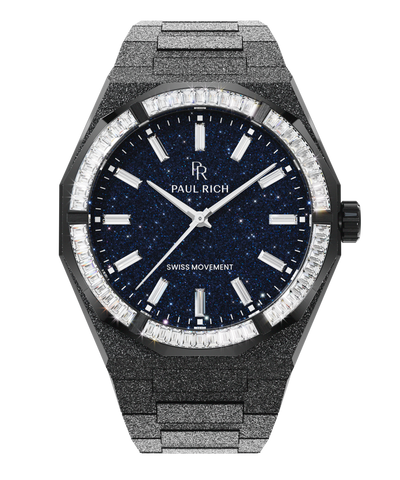
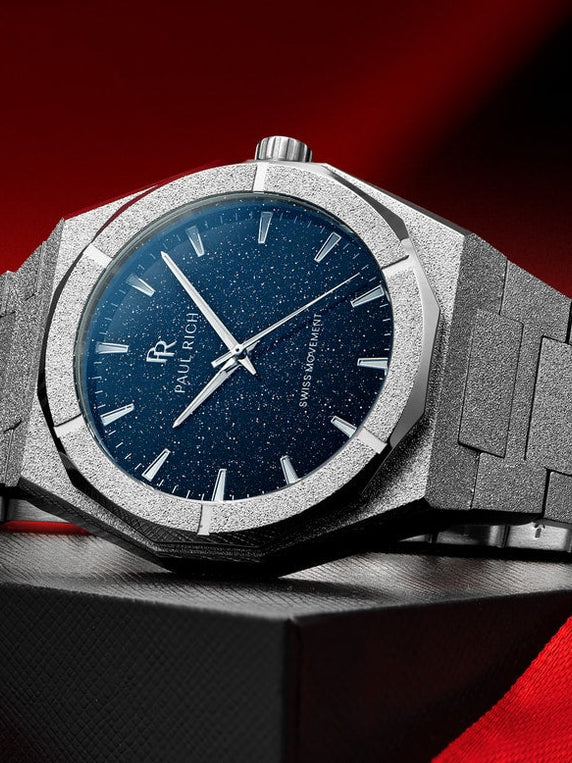
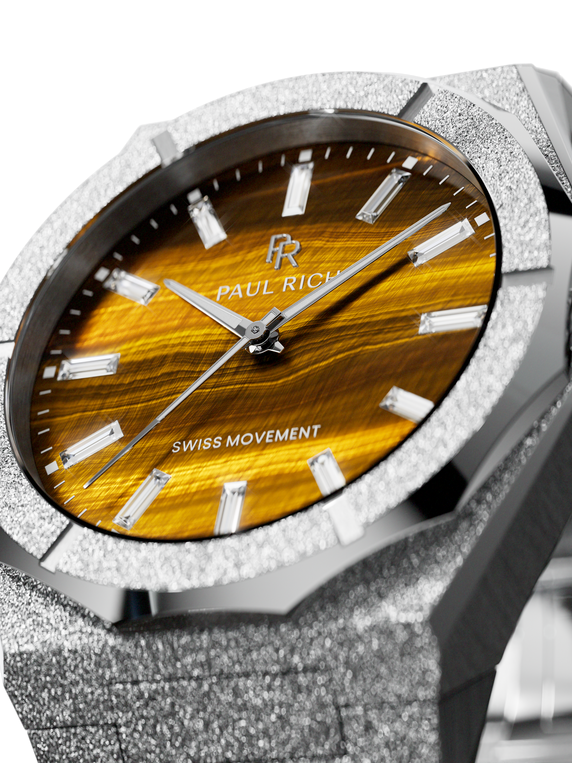
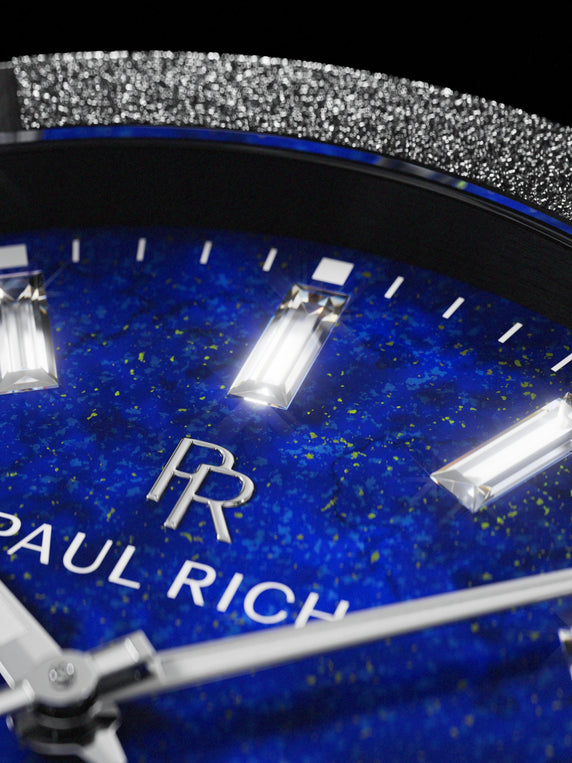
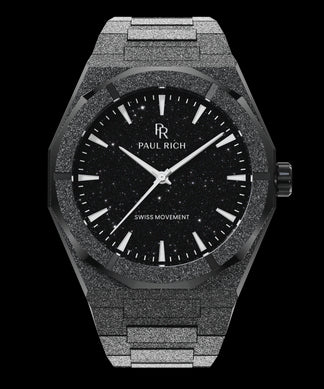
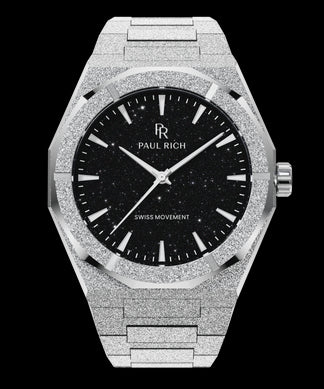
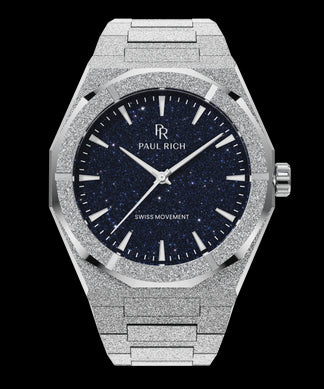
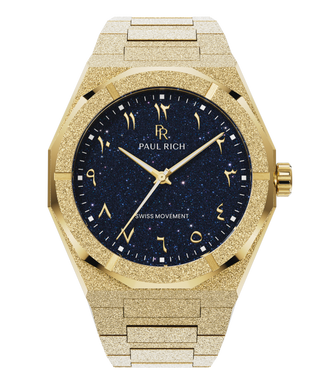
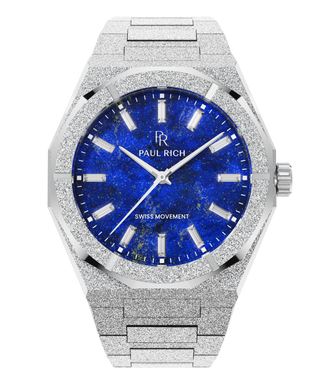
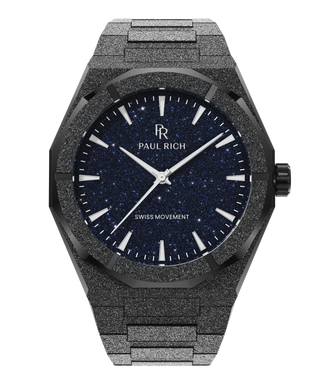
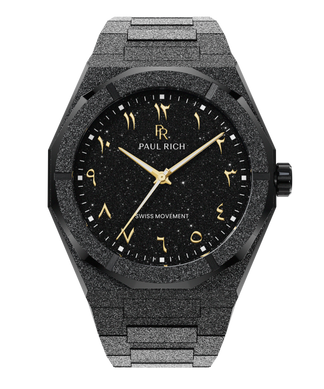
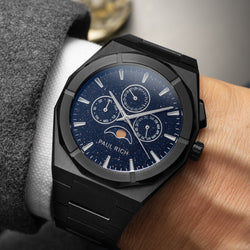
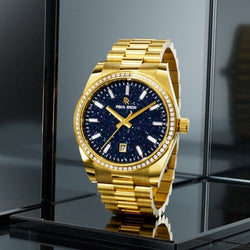
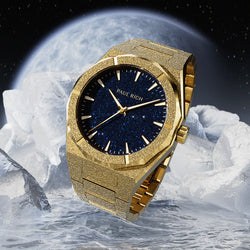
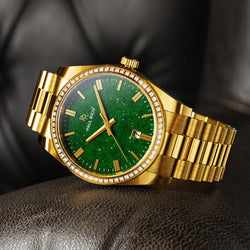
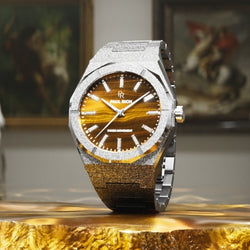
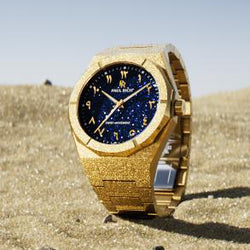
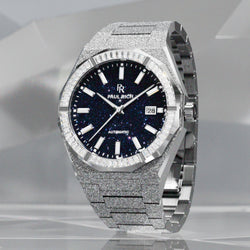
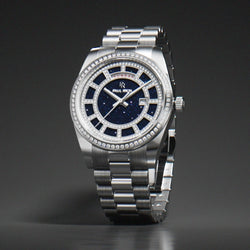
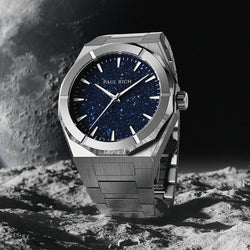
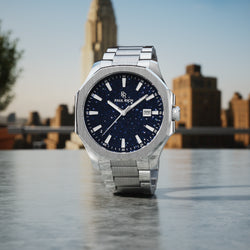
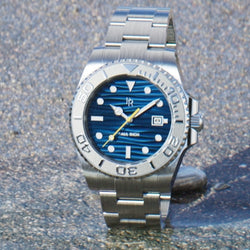
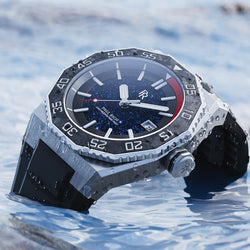
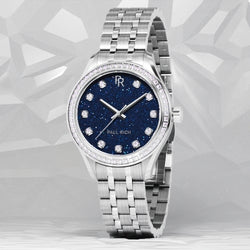
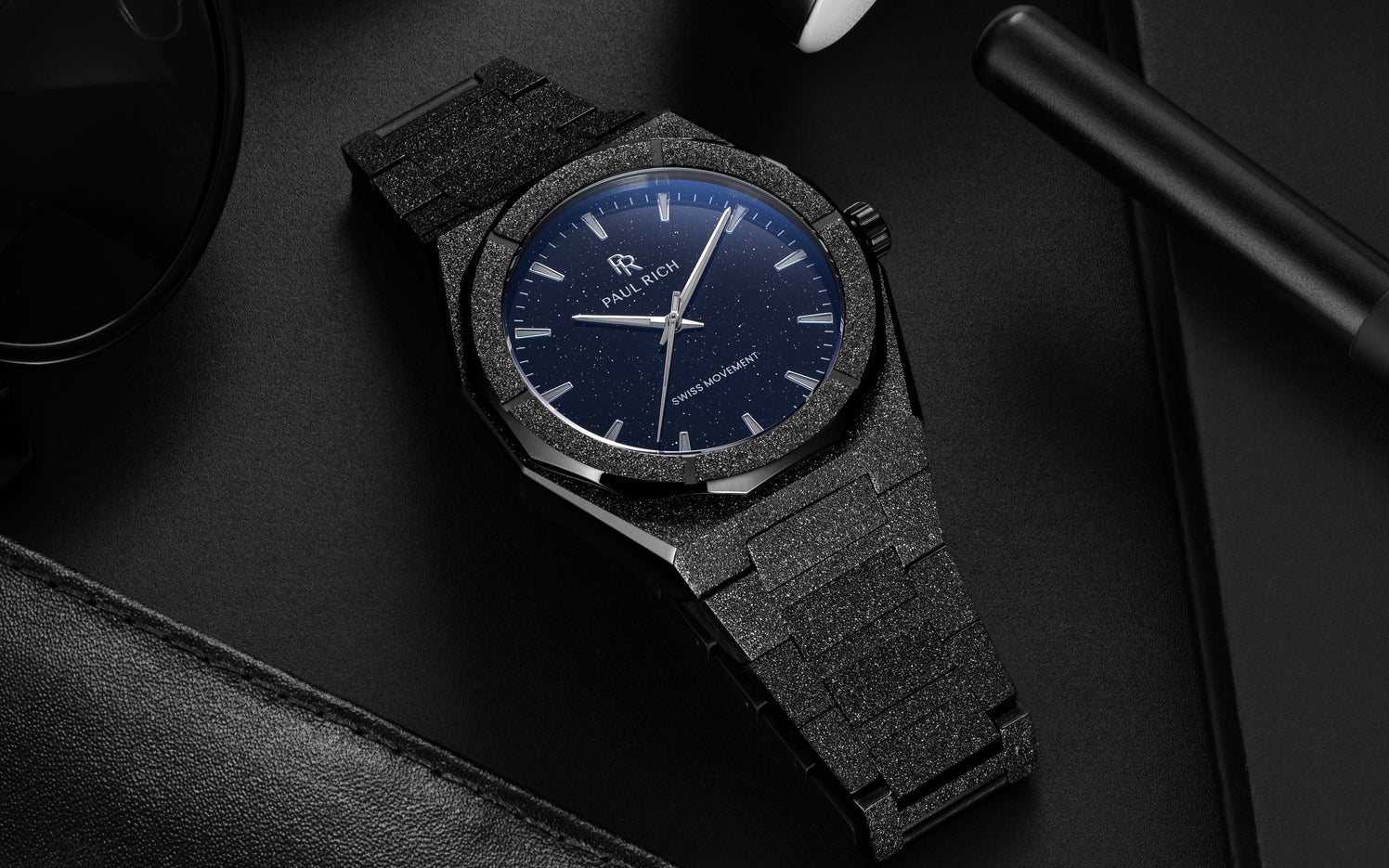
Most Paul Rich watches, from the Star Dust II to the Crystal Bay to the Diamond Astro Skeleton, are rated at 5 ATM; women's models are typically 3 ATM, and the Aquacarbon Pro is dive-rated to 200 meters. The exact rating for any model is on its product page.
Browse the full collection to find your next water-ready watch.