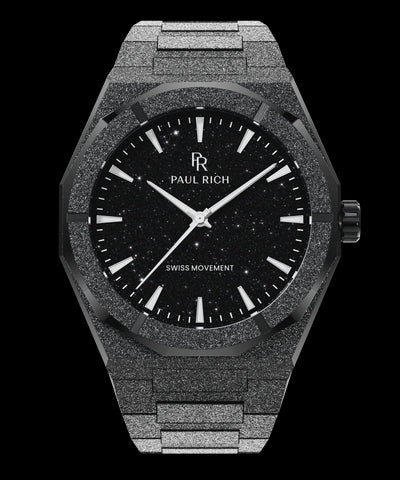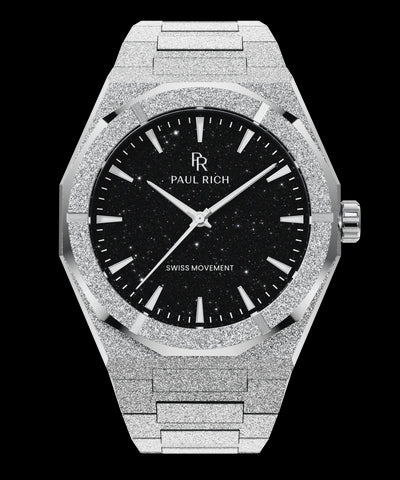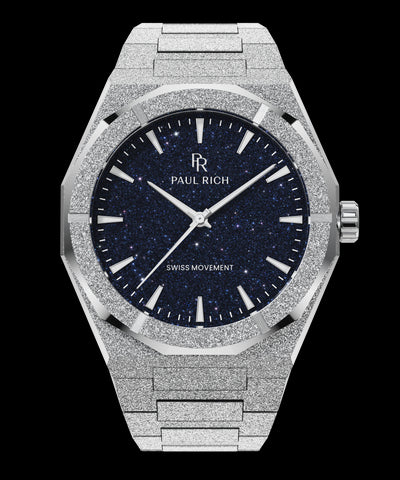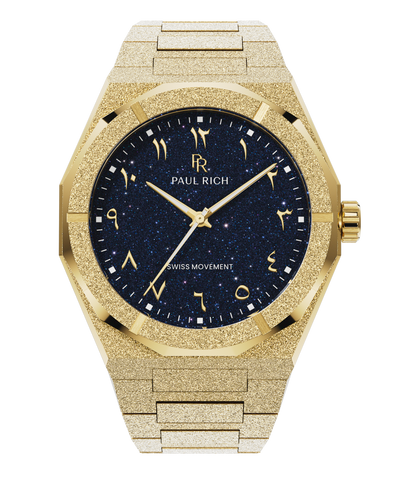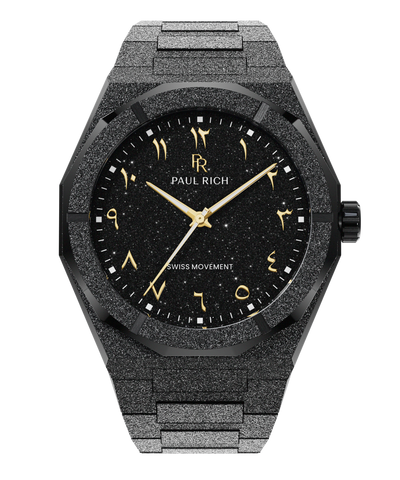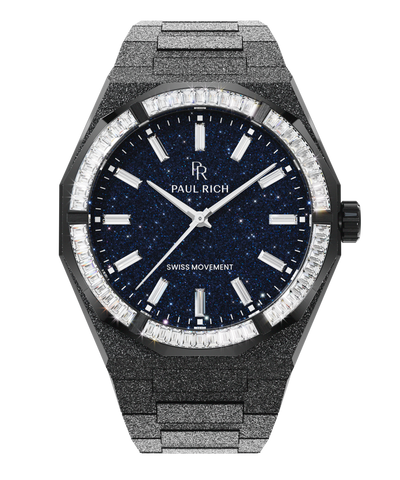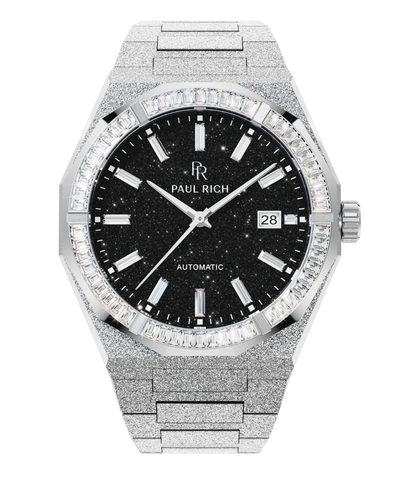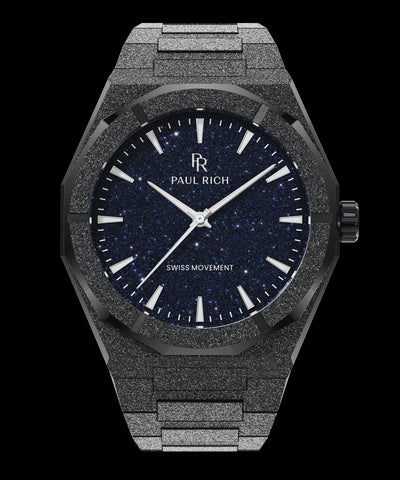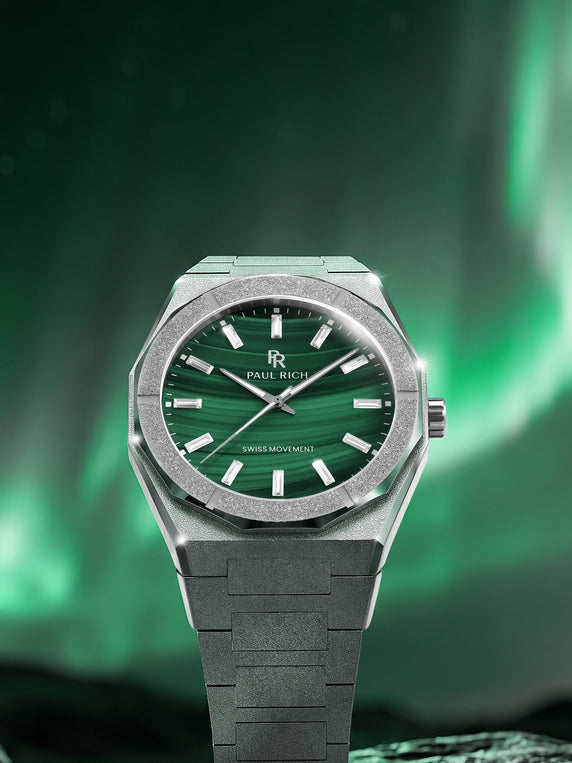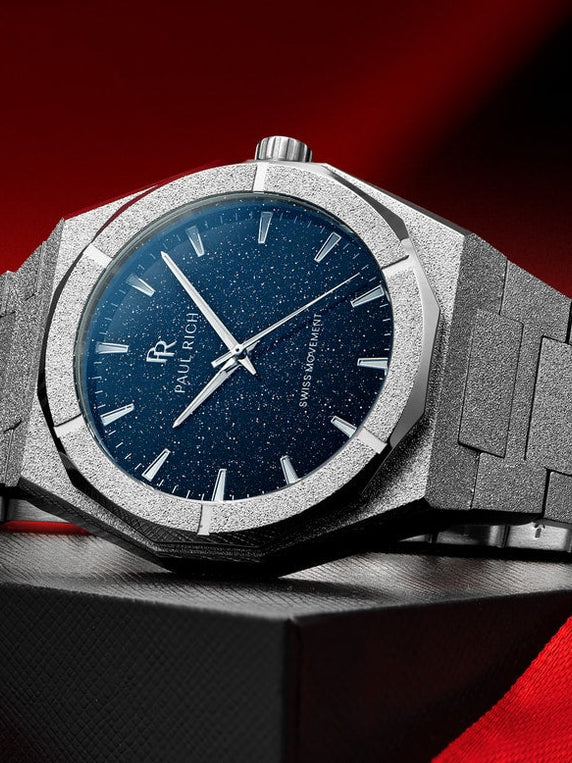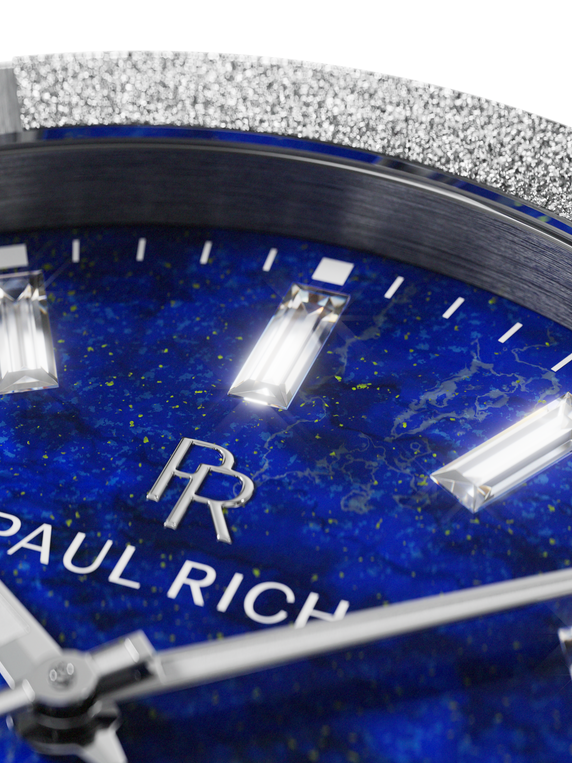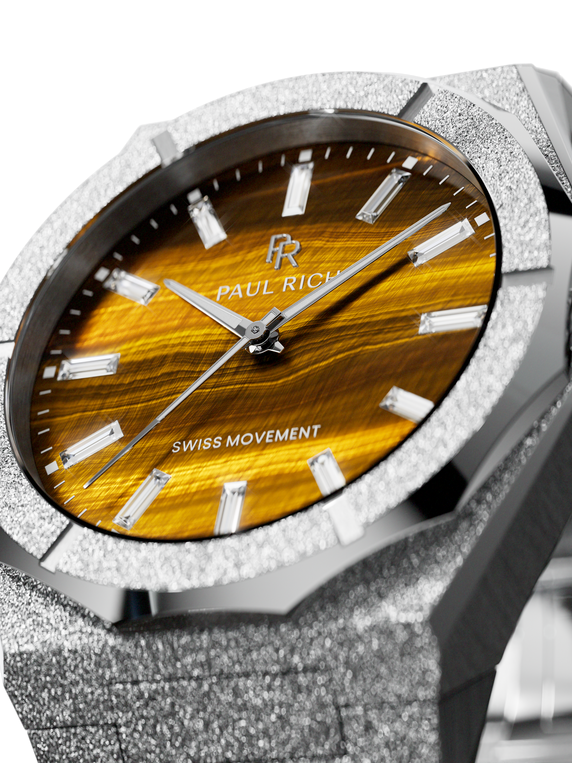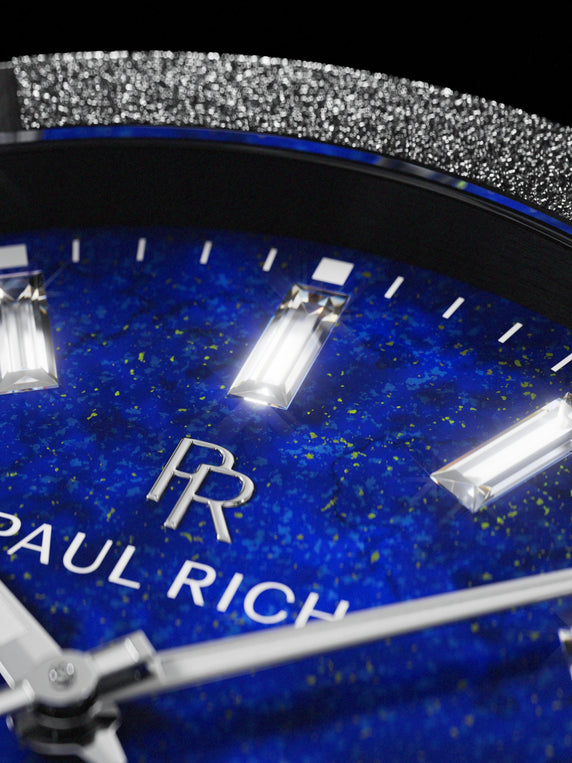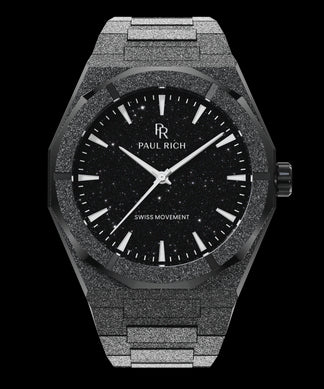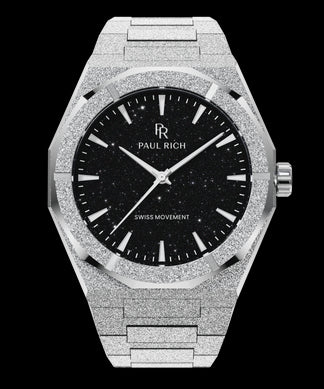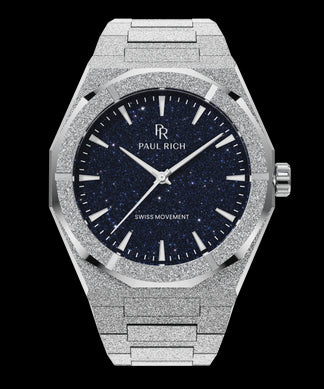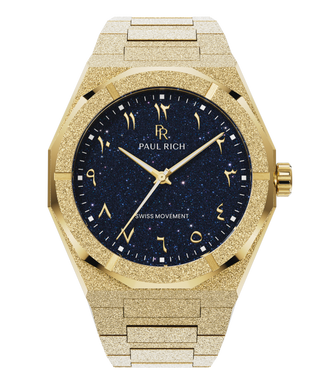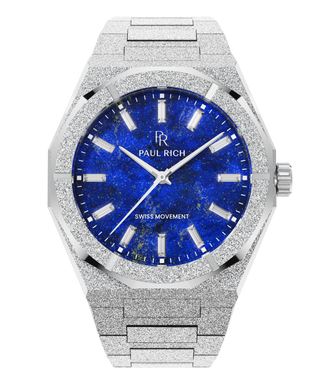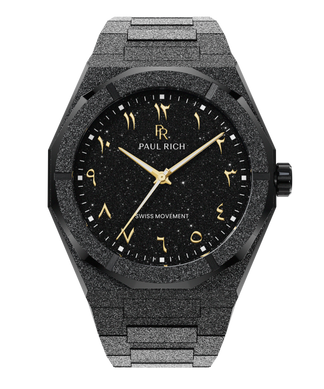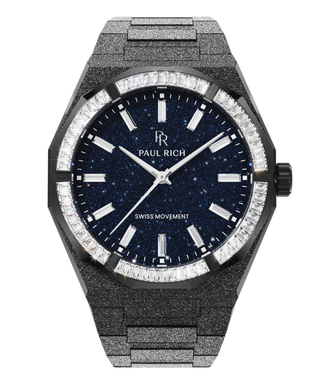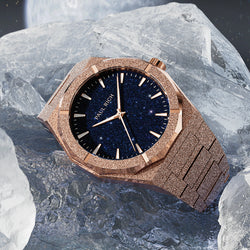
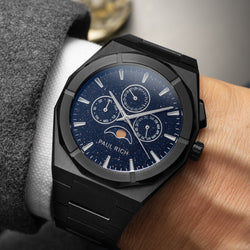
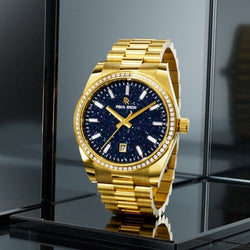


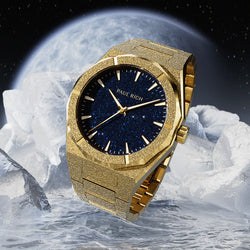
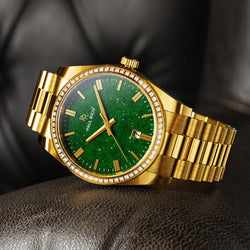
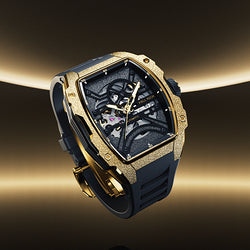
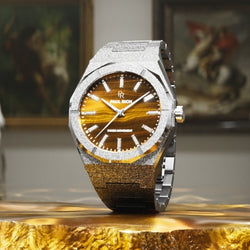
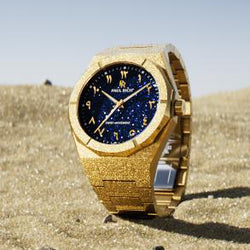
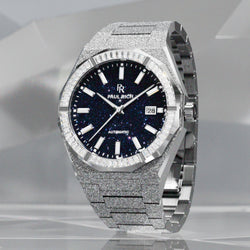
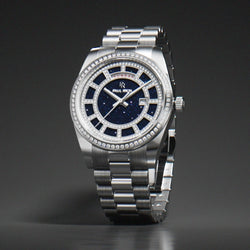
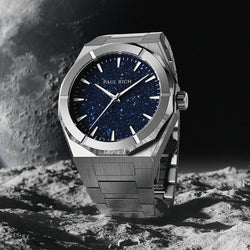
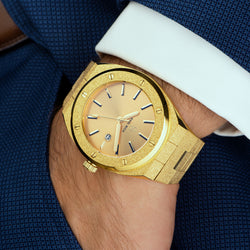
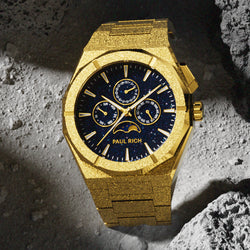
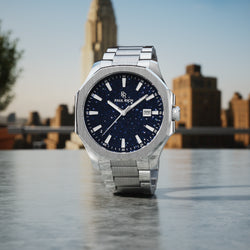
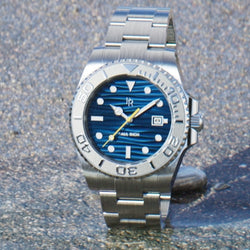
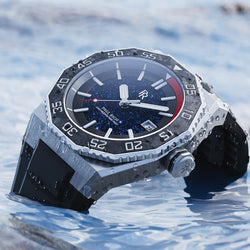
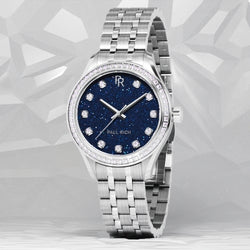
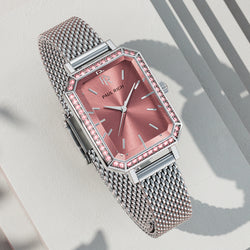
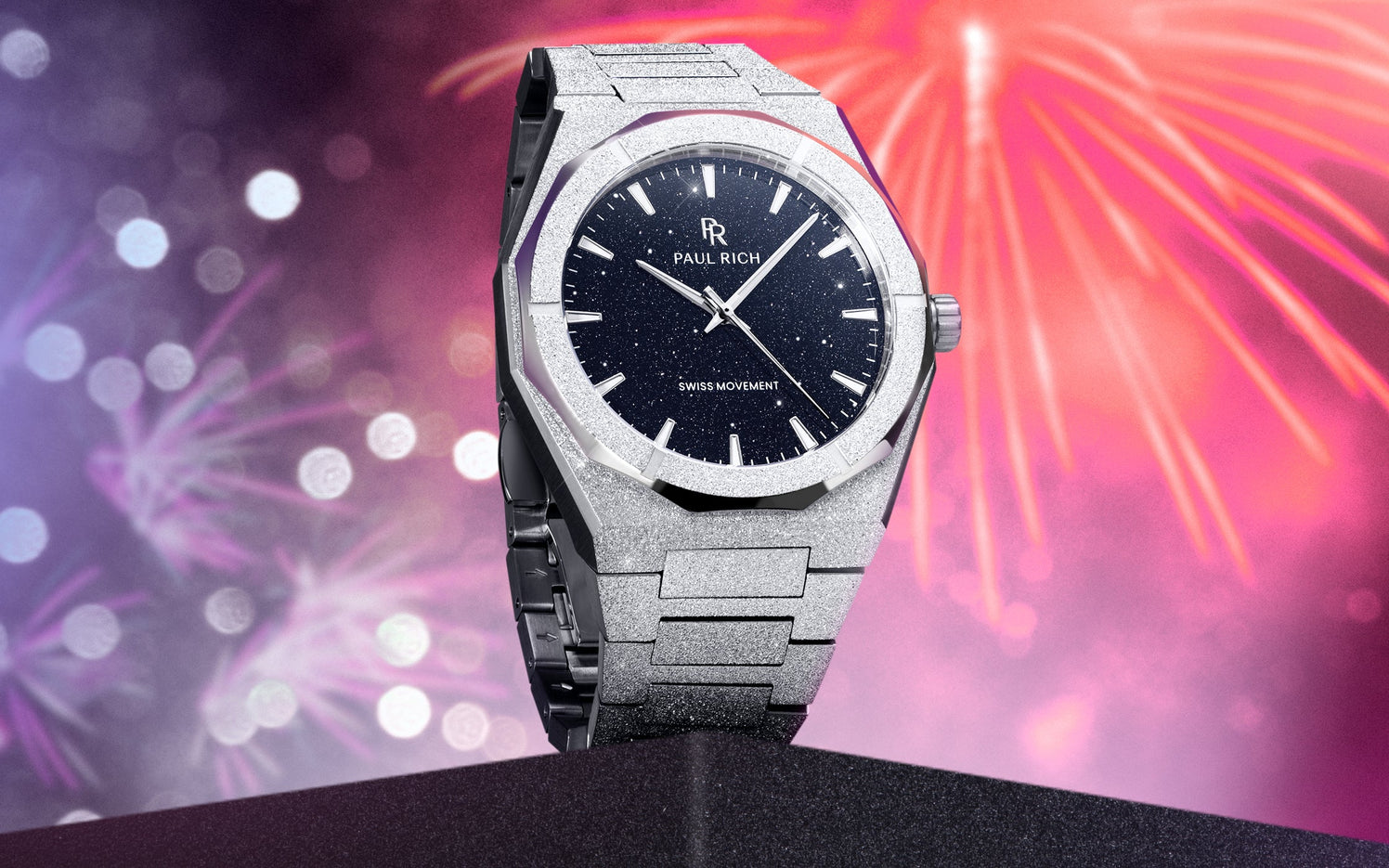
Pick up a Paul Rich watch with an aventurine dial and tilt it under light. You will see thousands of tiny metallic flecks sparkling beneath the surface — green, blue, or gold, depending on the variant. That is not a printed effect. It is a natural phenomenon called aventurescence, and it is why aventurine has been prized as a gemstone for centuries.
What Is Aventurine?
Aventurine is a form of quartz characterized by its translucency and the presence of platy mineral inclusions that give it a shimmering, glistening effect. The most common variety is green aventurine, colored by fuchsite (a chromium-rich mica). Blue aventurine gets its color from dumortierite inclusions.


Key properties:
- Hardness: 6.5–7 on the Mohs scale (comparable to steel)
- Composition: Silicon dioxide (SiO2) with mineral inclusions
- Aventurescence: The optical effect caused by light reflecting off flat mineral inclusions within the stone
- Origin: Found primarily in India, Brazil, Russia, and parts of Europe
Aventurescence: Why It Looks the Way It Does
The defining characteristic of aventurine is aventurescence — a broad, spangled reflectance caused by flat, reflective inclusions. In green aventurine, these are tiny platelets of fuchsite mica. When light enters the stone, it bounces off these platelets at different angles, creating a sparkling, shifting effect that changes as you move the stone.

This is fundamentally different from glitter, foil, or any artificial technique. Each aventurine dial is cut from natural stone, meaning no two dials are exactly alike. The density, size, and distribution of the mineral inclusions vary from piece to piece, giving each watch a unique appearance.
Aventurine in Watchmaking
Aventurine has a long history in high-end watchmaking. Brands like Jaeger-LeCoultre, Van Cleef & Arpels, and A. Lange & Söhne have used aventurine dials in watches costing $20,000 to $100,000+. The stone is difficult to work with — it must be cut thin enough to let light through while remaining structurally sound, and any crack during cutting ruins the piece.

What makes Paul Rich's approach different is accessibility. The Star Dust II, Frosted Star Dust II, Legacy, Crown Legacy, and Mercer collections all offer genuine aventurine dials at a fraction of traditional luxury pricing. Same stone, same natural effect — without the five-figure markup.
Green Aventurine vs. Blue Aventurine
Green aventurine is the most common and most recognized variety. Its fuchsite inclusions create warm golden-green sparkle against a deep green base. You will find this in watches like the Legacy Gold Aventurine Green and Crown Legacy Gold Aventurine Green.

Blue aventurine is rarer and uses dumortierite inclusions for a deeper, cooler sparkle. It appears in the Legacy Silver Blue Aventurine, Crown Legacy Silver Aventurine Blue, and Mercer Astor Aventurine Blue.
How to Care for an Aventurine Dial
Aventurine is durable for a gemstone (6.5–7 Mohs), but the watch crystal protects it from direct contact. Normal wear requires no special care. If you want to clean your watch, use a soft microfiber cloth and avoid ultrasonic cleaners, which can stress the stone. The natural stone is not affected by water at 5 ATM depths.
Is Aventurine Valuable?
As a raw gemstone, aventurine is moderately priced. Its value in watchmaking comes from the craftsmanship required to cut it into thin, uniform dial blanks without cracking, and the unique visual effect that no artificial process can replicate. When you see a Paul Rich aventurine dial catch light, you are looking at the same optical phenomenon that high-jewelry houses charge tens of thousands for.
Explore the full range of aventurine dial watches to see the stone in action.