




The luxury industry is in the middle of a material revolution. Lab-grown diamonds and moissanite are no longer "alternatives" — they are becoming the preferred choice for a generation that values transparency, sustainability, and getting more for their money. Here is why.
The Science Is Settled
Lab-grown diamonds are diamonds. Full stop. They have the same chemical composition (pure carbon), the same crystal structure, the same hardness (10 Mohs), the same refractive index (2.42), and the same thermal conductivity as mined diamonds. The only difference is origin: one formed in the earth over billions of years, the other was created in a lab over weeks. They are indistinguishable without specialized equipment.
Lab-grown moissanite (silicon carbide) is its own gemstone with properties that rival and in some cases exceed diamond — higher refractive index (2.65–2.69), higher dispersion (2.4x more fire), and 9.25 Mohs hardness. It is created in a controlled thermal process and certified individually.
The Ethical Argument
Mined gemstones carry well-documented ethical baggage: environmental destruction from open-pit mining, human rights concerns in certain regions, and a supply chain that is difficult to audit fully. The Kimberley Process addresses some concerns around conflict diamonds, but it has significant gaps.

Lab-grown stones eliminate these concerns entirely. The supply chain is transparent, the environmental footprint is a fraction of mining, and there are zero human rights risks. For a growing number of consumers, this is not a secondary consideration — it is the primary one.
The Value Proposition
A lab-grown diamond costs approximately 70–90% less than an equivalent mined diamond. A lab-grown moissanite costs even less. The price difference is not because the stones are inferior — they are physically identical (in the case of diamond) or optically superior (in the case of moissanite). The price difference exists because mined stones carry the cost of extraction, long supply chains, and artificial scarcity maintained by the mining industry.
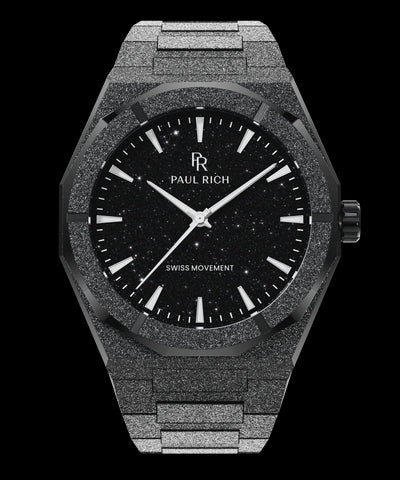
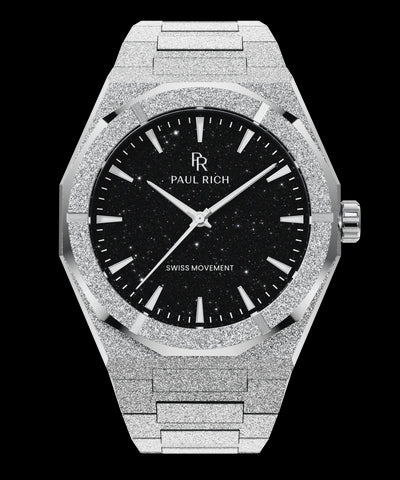
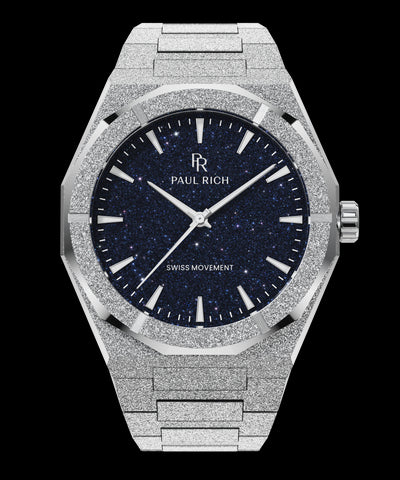
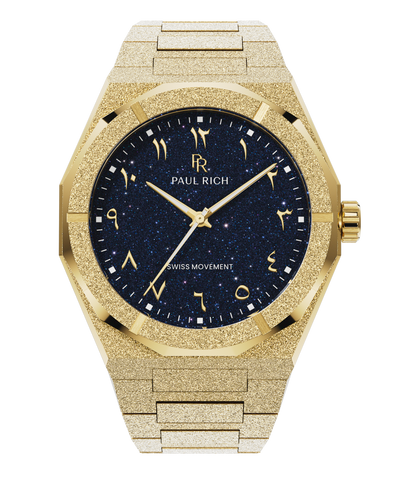
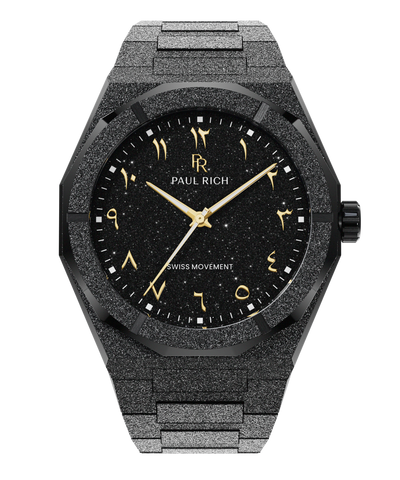
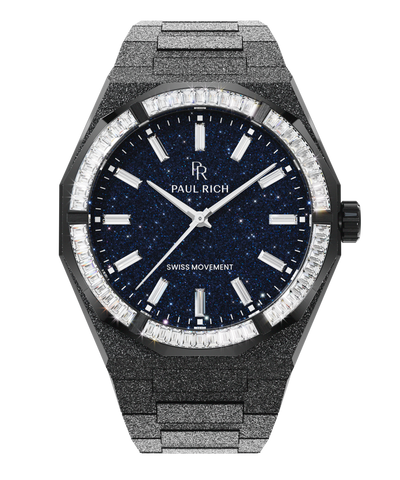
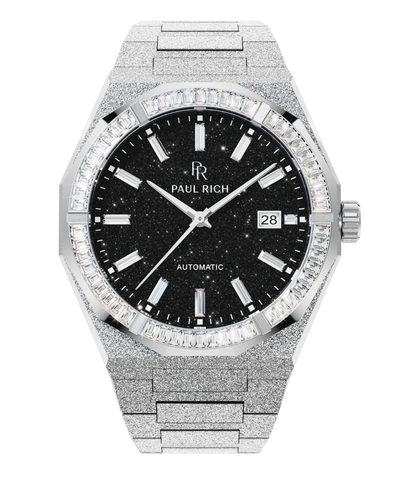
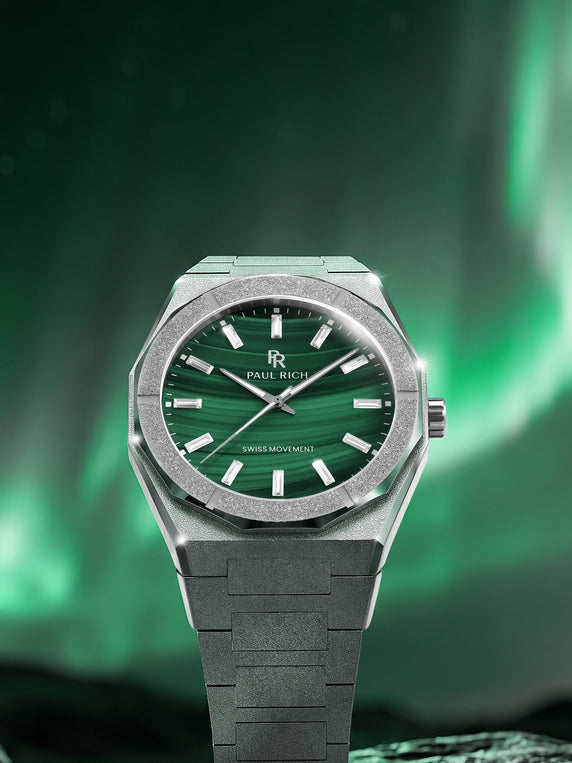
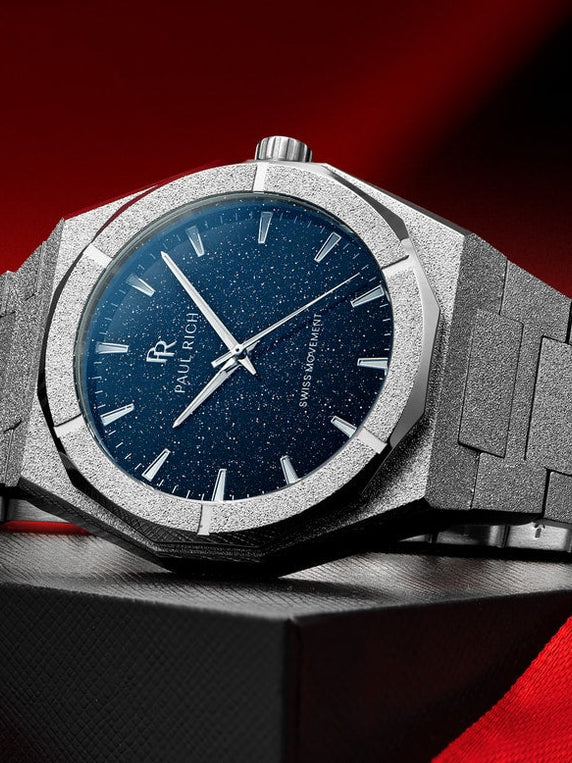
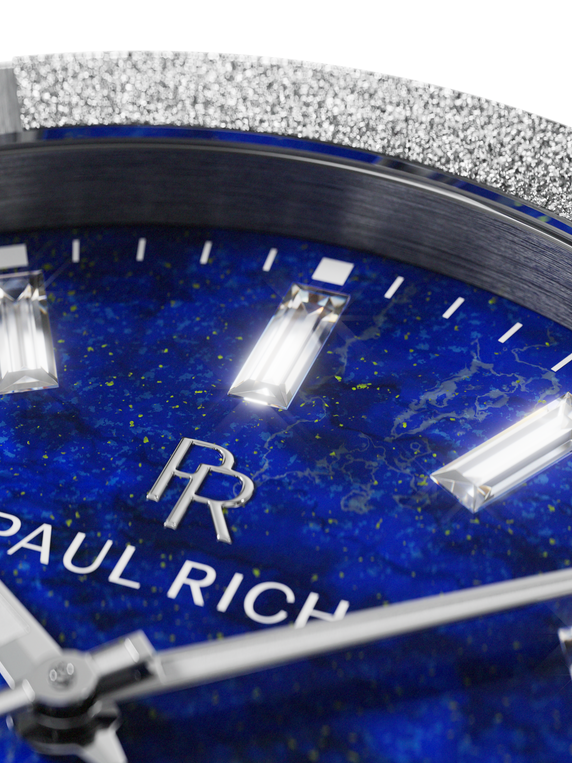
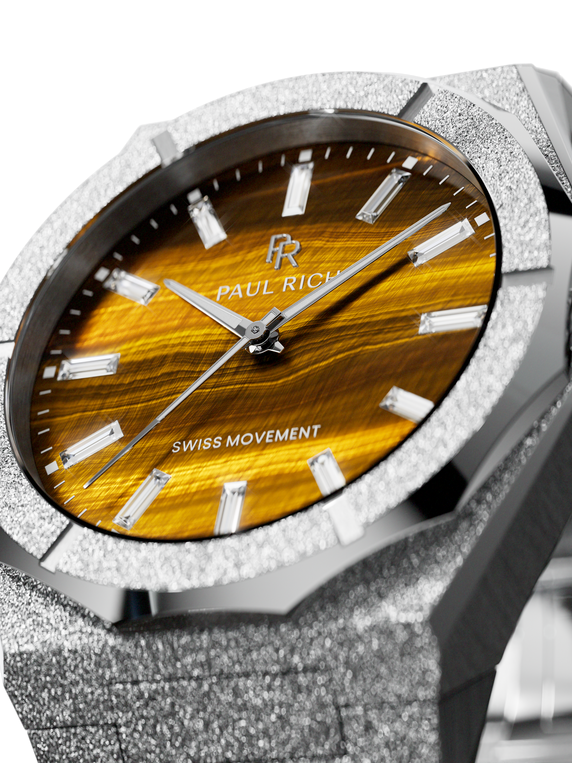
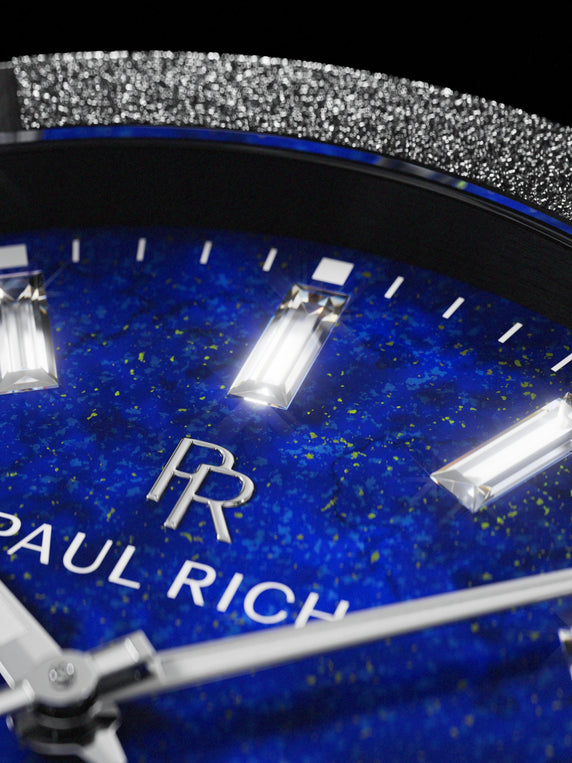
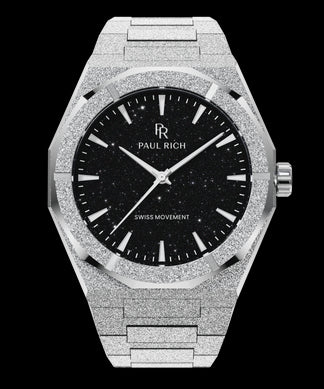
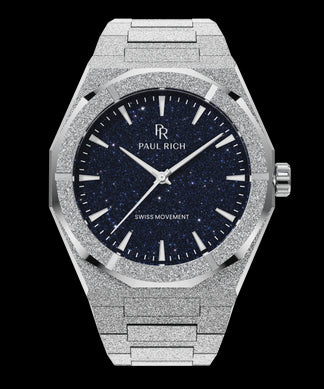
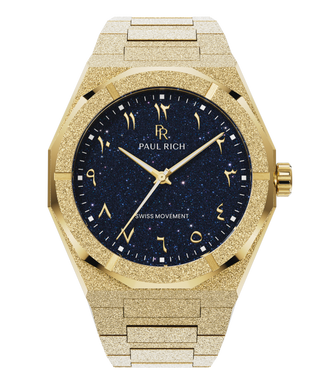
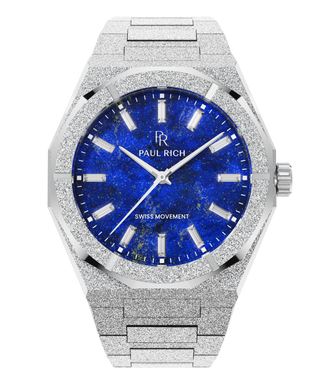
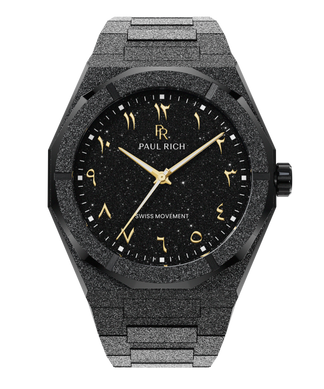
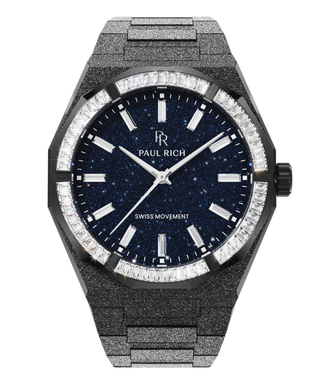
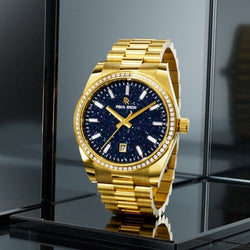
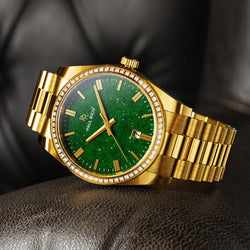
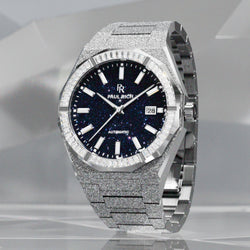
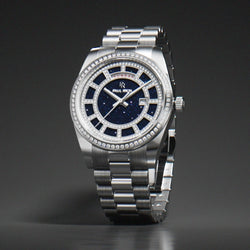
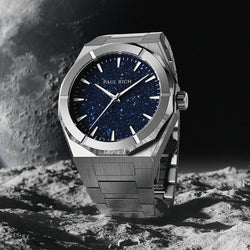
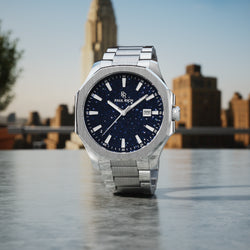
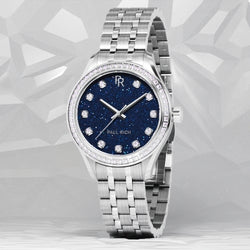
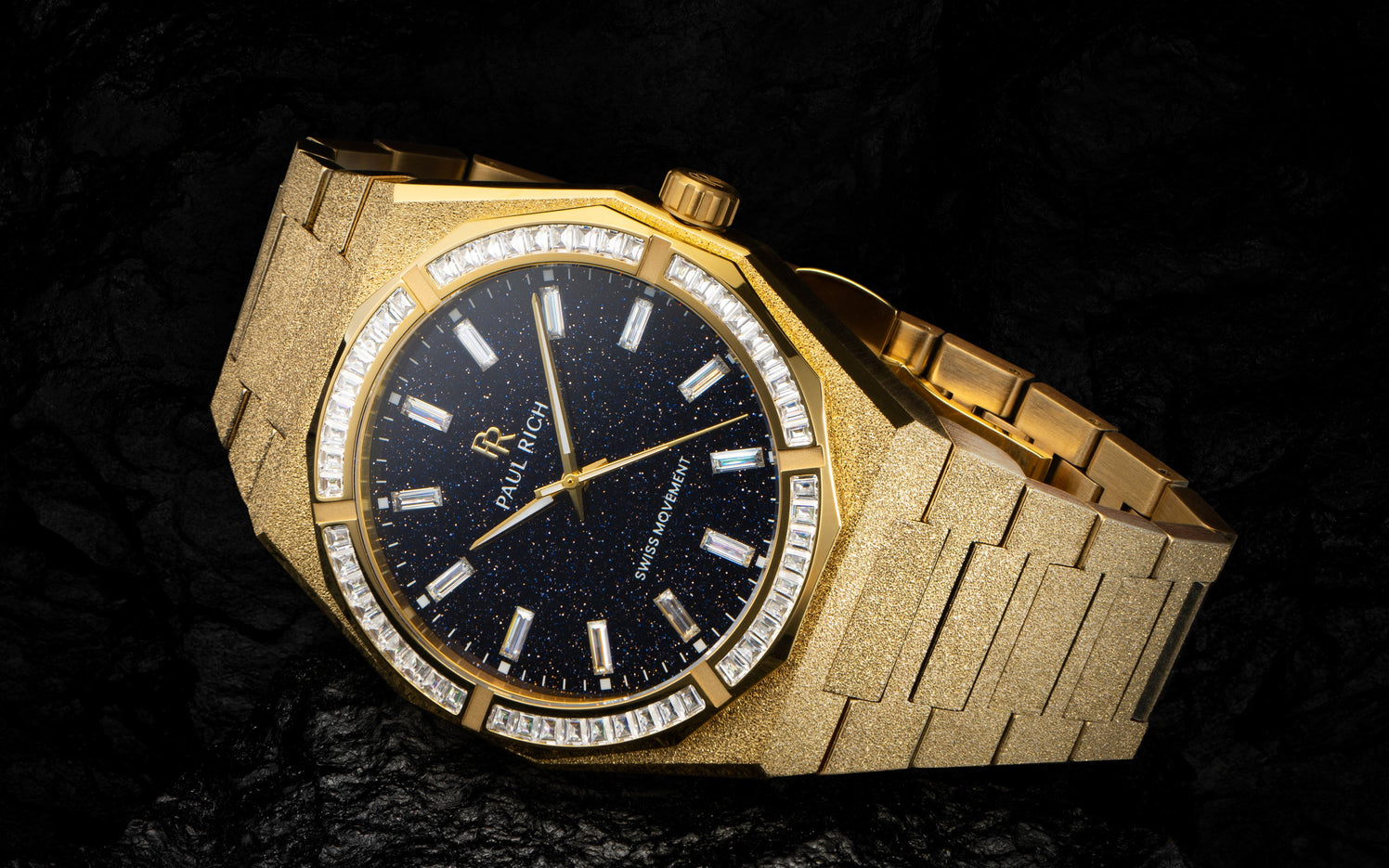
What this means for watches: a Moissanite Frosted Star Dust II delivers a lab-grown stone experience that a natural diamond equivalent would price at 10x or more. The Diamond Astro Skeleton uses lab-grown diamonds to add genuine diamond accents at a fraction of traditional diamond watch pricing.

Who Is Buying Lab-Grown?
The shift is generational but not exclusively so. According to industry data, lab-grown diamonds now account for roughly 50% of the engagement ring market among buyers under 35. In the watch industry, brands ranging from startups to established luxury houses are incorporating lab-grown stones. The stigma that once existed around lab-grown has largely evaporated — replaced by a recognition that origin does not define quality.
What About Resale Value?
The honest answer: neither mined nor lab-grown diamonds hold their retail value well on the secondary market. Mined diamond prices have actually declined significantly as lab-grown options have gained market share. The idea that a mined diamond is an "investment" has not been accurate for decades. Buy gemstones because you enjoy them, not as a store of value.
Paul Rich and Lab-Grown Stones
Paul Rich uses lab-grown stones across multiple collections:

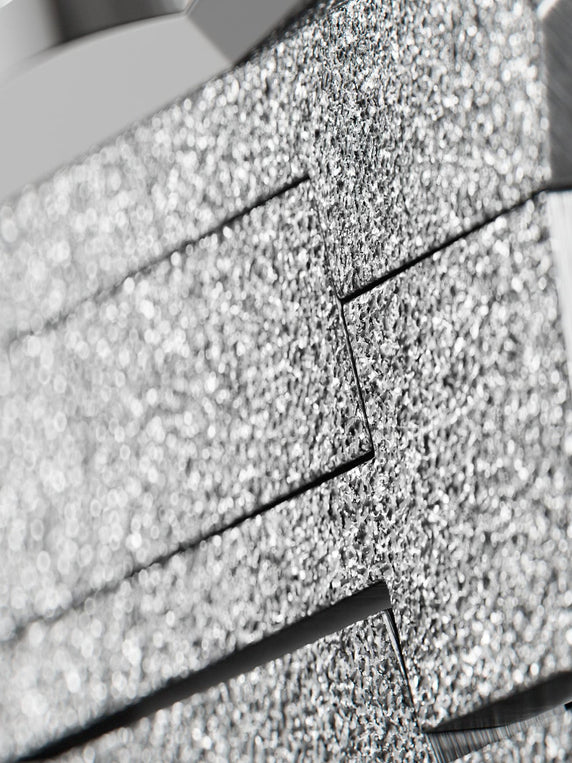
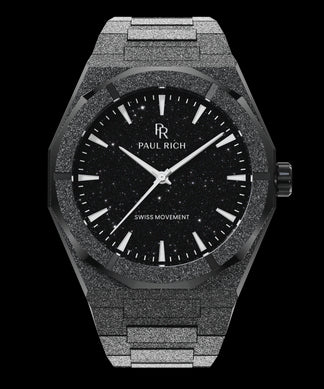
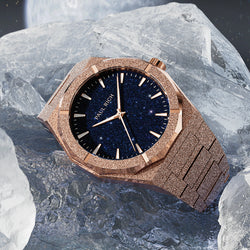
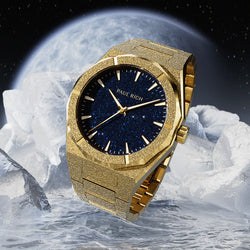
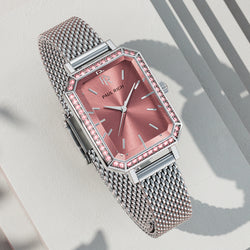
- Moissanite Frosted Star Dust II — certified lab-grown moissanite set into the diamond-dust frosted case and bracelet, available in Silver, Gold, Black, Rose Gold, and the Void series
- Diamond Astro Skeleton — lab-grown diamond accents on automatic skeleton watches with sapphire crystal display casebacks
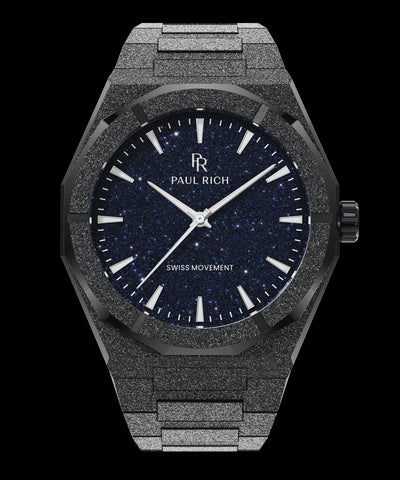
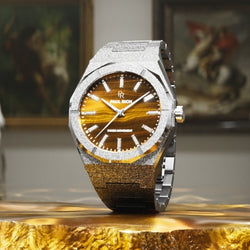
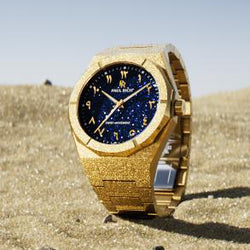
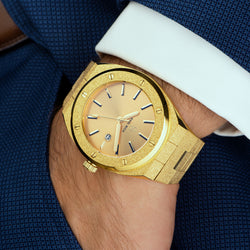
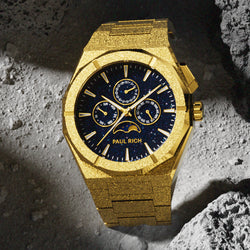
- Diamond-dust frosted finish — crushed industrial diamonds applied to case and bracelet surfaces across all frosted collections
The approach is straightforward: use the best available materials, lab-grown or natural, and price them fairly. Genuine aventurine dials are natural stone. Moissanite and diamond accents are lab-grown. Both are real — the distinction between "natural" and "lab-grown" is about origin, not quality.
The Bottom Line
Lab-grown stones offer identical or superior physical properties, zero ethical concerns, transparent supply chains, and dramatically better value. The luxury industry is not debating whether lab-grown is legitimate anymore — it is debating how quickly the transition will happen. For consumers, that transition is already here.
Explore the diamond collection and bestsellers to see lab-grown stones in action.