
A thousand dollars is where watches stop making excuses. At this price, every component should be deliberate — the movement, the crystal, the finishing, the materials on the dial and case. You are past the point where brands can coast on looks alone. Here is what actually delivers in 2026, and what to avoid.
What $1,000 Should Get You
At this price, settling for anything less than these specs means you are overpaying:
- Sapphire crystal — non-negotiable at this tier. Any watch using mineral glass at $1,000 is cutting corners
- Automatic movement — Japanese (Seiko NH35A, Miyota 9015) or Swiss (Sellita, ETA). Quartz has its place, but $1,000 automatics should be the standard
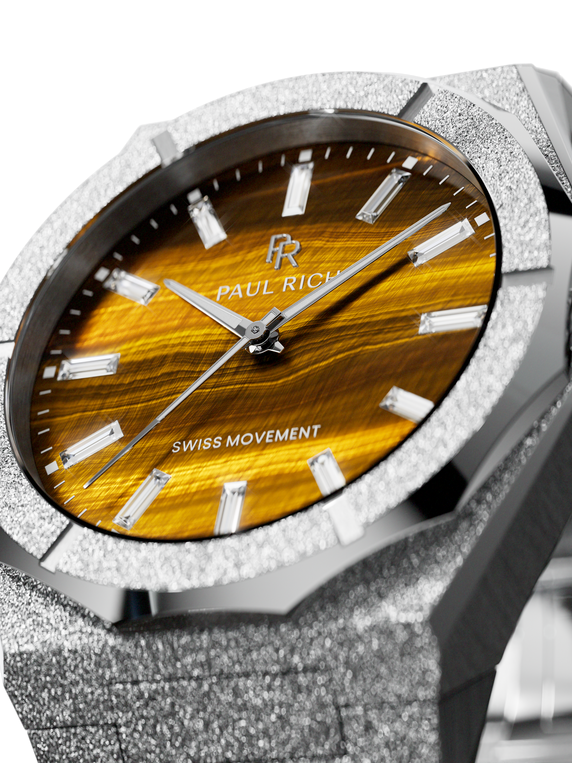
- Premium materials — natural stone dials, forged carbon, lab-grown gemstones, genuine meteorite. At $1,000 you should be touching materials that entry-level watches cannot offer
- Serious water resistance — 5 ATM minimum, 10-20 ATM for dive-oriented pieces
- Exhibition case back or complication — skeleton dial, moonphase, day-date. Something that adds mechanical interest beyond telling time
- Finishing that holds up to scrutiny — beveled edges, applied indices, proper lume. Not just a pretty dial photo
Best Gem-Set Watch Under $1,000: Paul Rich Moissanite Frosted Star Dust II — $849
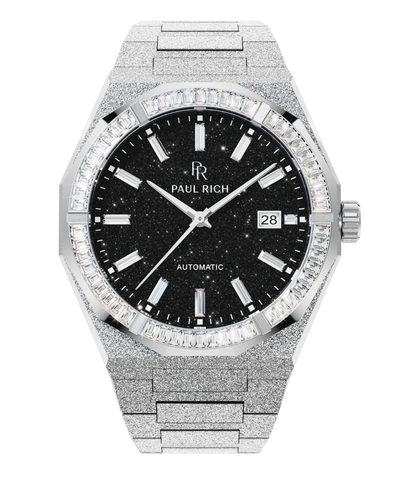
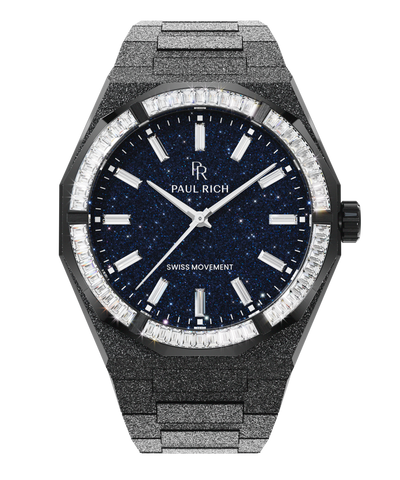
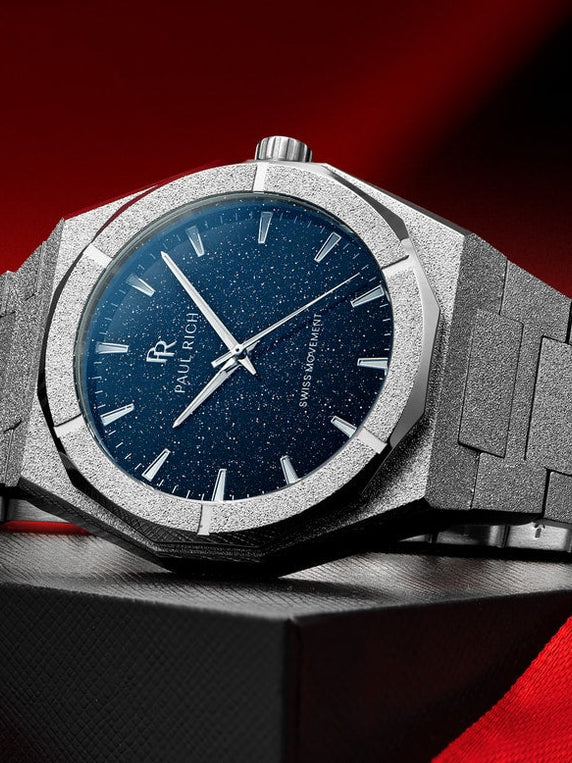
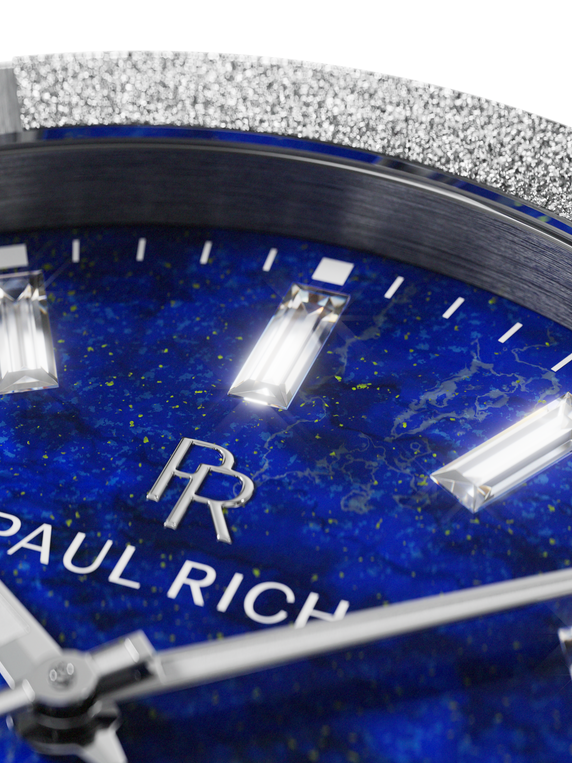
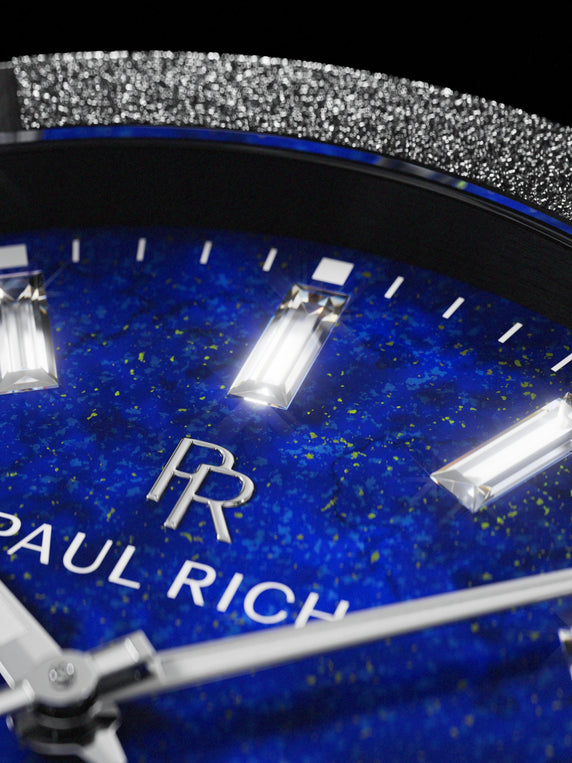
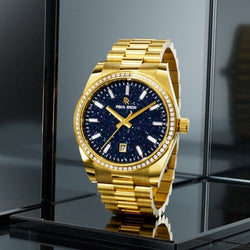
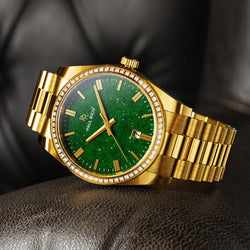
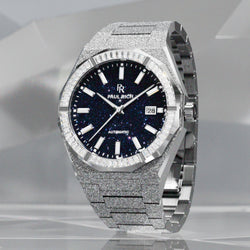
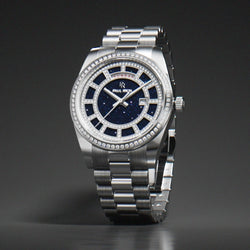
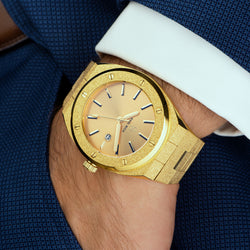
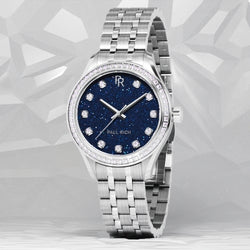
This is the most visually striking watch on this list, and it is not close. The Moissanite Frosted Star Dust II carries 5.67 carats total weight of hand-cut, IGI-certified lab-grown moissanite stones across the bezel and dial. Every stone is individually set into a continuous pave field that catches light from every angle.
The numbers matter here. Moissanite scores 9.25 on the Mohs hardness scale — diamond is 10. Its refractive index of 2.65 actually exceeds diamond's 2.42, which means more brilliance and fire per carat. These are not cubic zirconia. They will not cloud, scratch, or dull over time. They are lab-grown, conflict-free, and each stone comes with IGI certification.
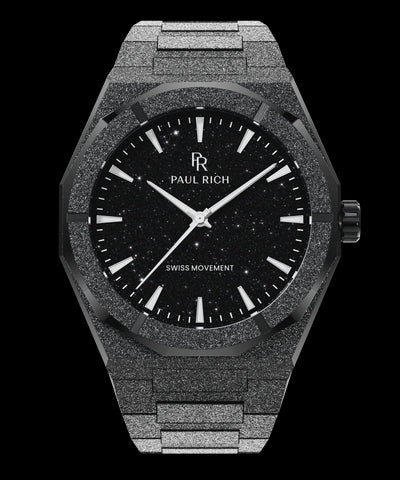
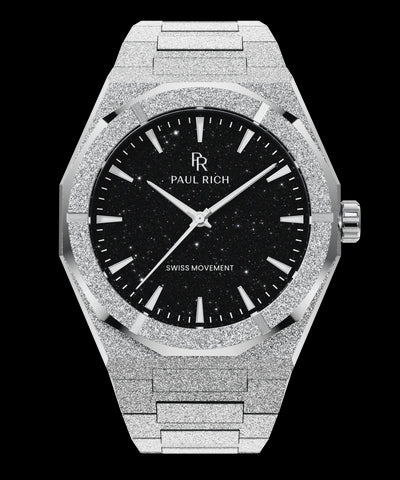
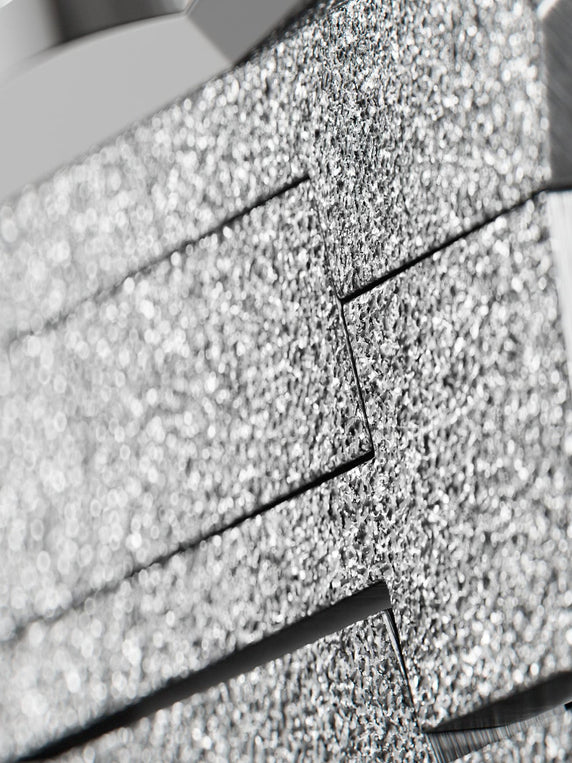
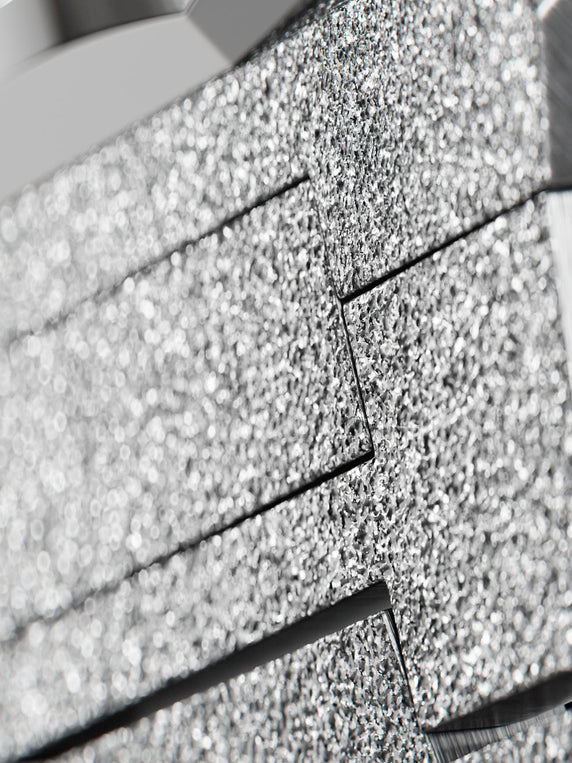
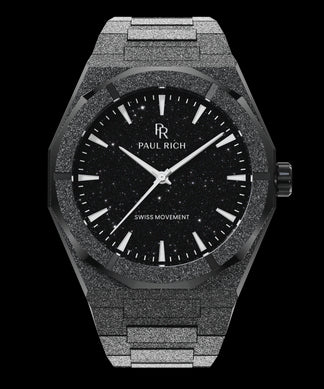
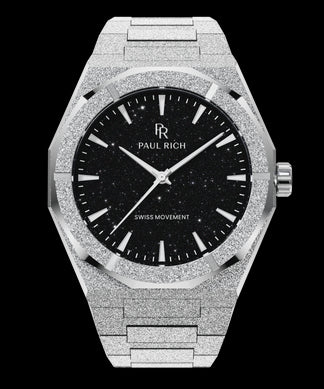
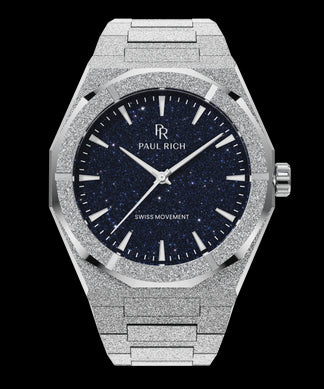
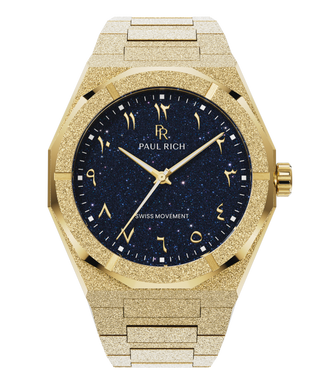
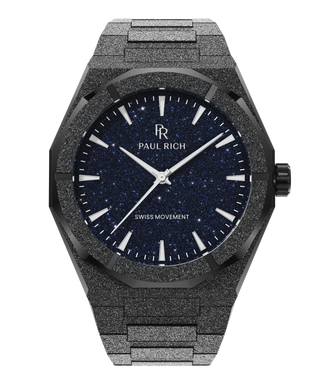
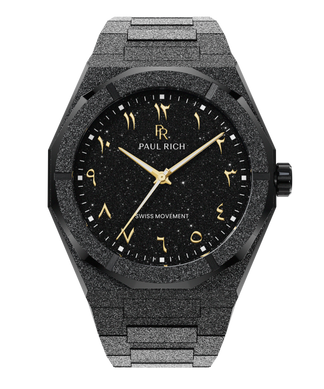
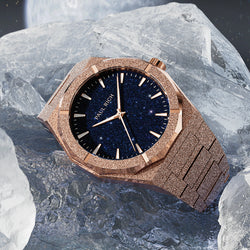
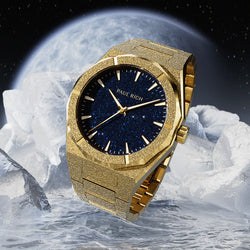
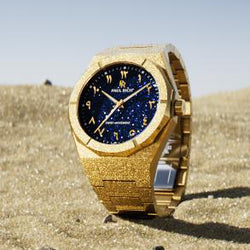
Underneath the stones sits Paul Rich's signature frosted stainless steel case and bracelet, textured with crushed industrial diamonds to scatter light independently of the moissanite. The dial is black aventurine — a natural stone that shifts with a dark, star-like shimmer. Sapphire crystal protects the face. Available in both automatic (Seiko NH35A) and quartz variants.
For context: a diamond-set watch with comparable carat weight from a traditional Swiss brand would start at $15,000 to $25,000. The material science behind lab-grown moissanite makes that markup unnecessary, but most brands have not caught up yet.
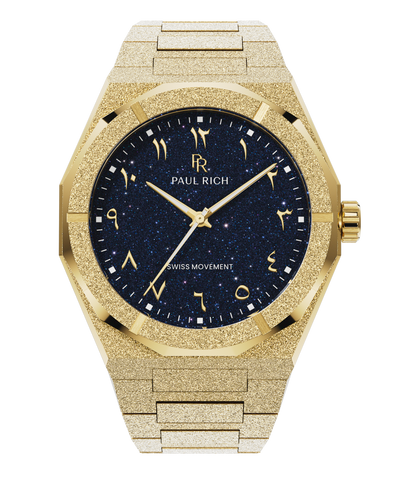
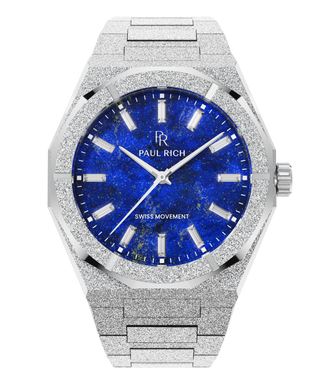
Available in Silver, Gold, Black, Rose Gold, and the Void series in Void Silver, Void Gold, Void Black, and Void Rose Gold.
Best Skeleton Watch Under $1,000: Paul Rich Astro Skeleton — $499
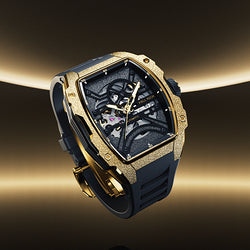
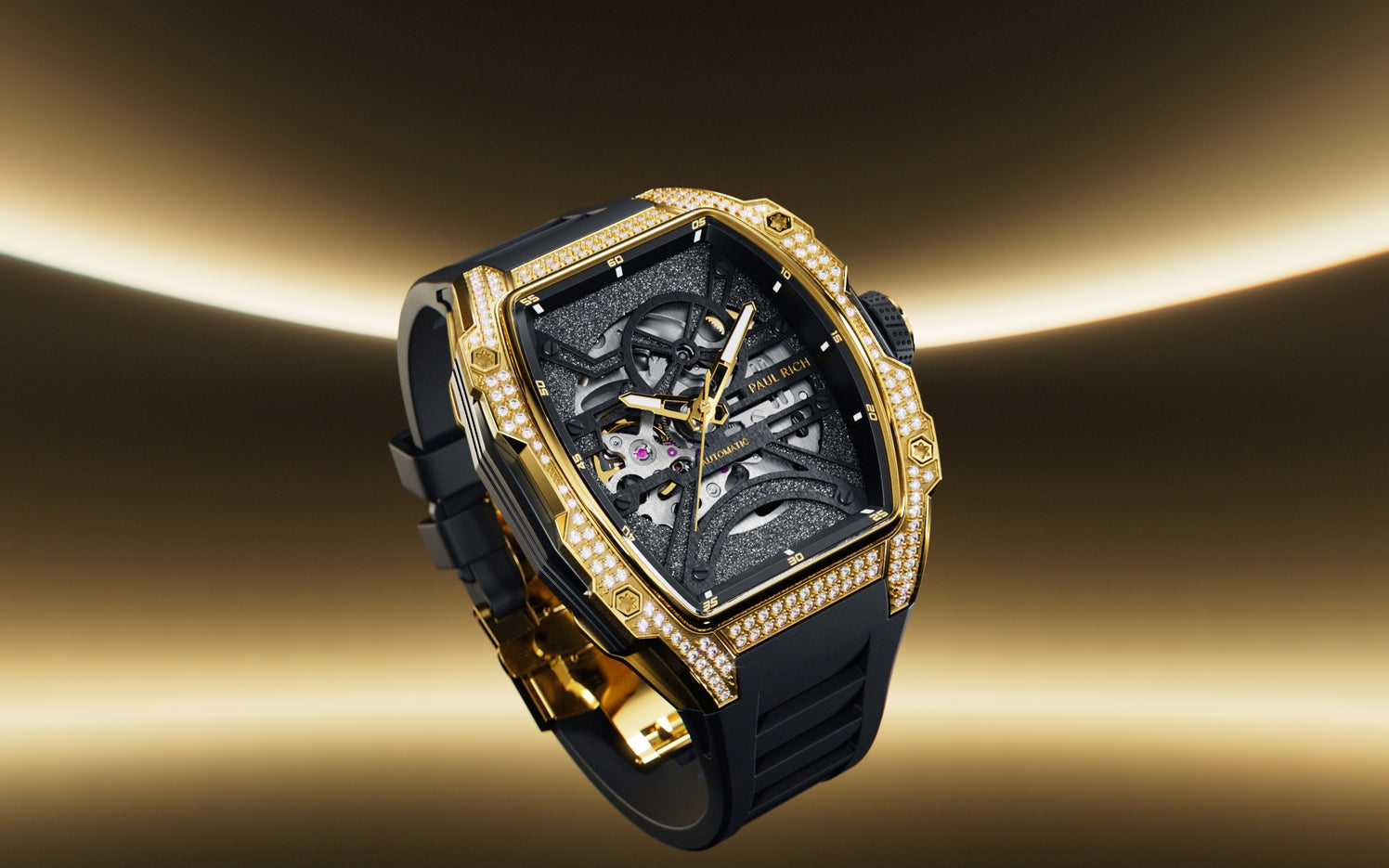
The Astro Skeleton breaks from the round-case standard with a tonneau-shaped case and a fully open-worked dial. The skeleton design is not decorative — it is structural. The frosted baseplates and bridges are visible through the dial, and the open case back lets you watch the automatic movement run from both sides.
The 42.5mm case sits well on the wrist despite the tonneau shape. The frosted stainless steel finish adds the same diamond-dust texture found across the Paul Rich lineup. Movement is automatic — no batteries, powered by your wrist. The rubber strap is comfortable for daily wear and avoids the weight penalty of a full metal bracelet on a watch this size.
At $499, this sits well below the $1,000 ceiling, which leaves room for a second watch or simply saves you money. Skeleton watches from Swiss brands like Tissot or Hamilton start around $600-800 but rarely offer this level of dial exposure or case finishing at that price.
Available in Eclipse Gold, Galaxy Black, Lunar Silver, and Mason Gold.
Best Dive Watch Under $1,000: Paul Rich Aquacarbon Pro — From $227
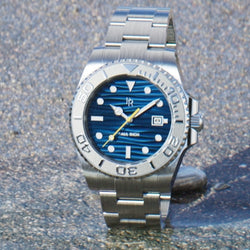
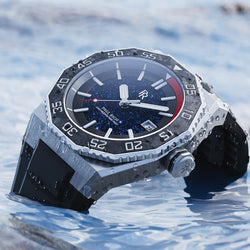
The Aquacarbon Pro is built around two standout features: a forged carbon fiber bezel that glows in the dark, and 200 meters of water resistance. The forged carbon is not a printed pattern — it is actual carbon fiber, pressed and shaped, with a luminous compound that charges in light and releases visibility in darkness.
Movement options include the Swiss Ronda 505 quartz or the Seiko NH35A automatic. The 43mm case is stainless steel with sapphire crystal. The rubber strap is designed for water use — soft, durable, and quick-drying.
The Aventurine dial variants (Forged Grey Aventurine, Shadow Black Aventurine) add a genuine aventurine stone dial to the dive watch format, which is unusual — most dive watches at any price rely on painted or sunburst dials.
Starting at $227, the Aquacarbon Pro is the most accessible watch on this list. That price gets you a serious tool watch with materials that more expensive dive watches do not always offer.
Best Meteorite Dial Watch Under $1,000: Paul Rich Astro Meteora — From $449
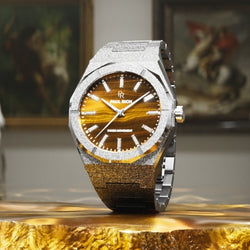
The Astro Meteora uses genuine meteorite for its dial. Not meteorite-inspired, not a pattern printed to look like meteorite — actual extraterrestrial material with Widmanstatten patterns that formed over millions of years in space. No two dials are identical because no two pieces of meteorite have the same crystalline structure.
The watch shares the Astro's tonneau case shape and frosted stainless steel finish. Movement is automatic. Sapphire crystal front. Limited production runs mean these tend to sell through and not come back. The Dark Matter Black variant at $499 pairs the meteorite dial with a black-coated case for a look that leans more industrial than dressy.
Meteorite-dial watches from established Swiss brands — Rolex, Omega, Jaeger-LeCoultre — start at $8,000 and go well past $50,000. The meteorite itself is not rare in the sense of gemstones; it is rare in the sense that processing it for watch dials requires specific expertise and tooling that most brands do not invest in at accessible price points.
Best Moonphase Watch Under $1,000: Paul Rich Moonphase Star Dust II — $449
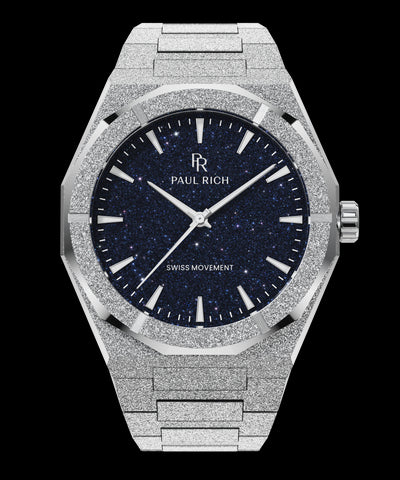
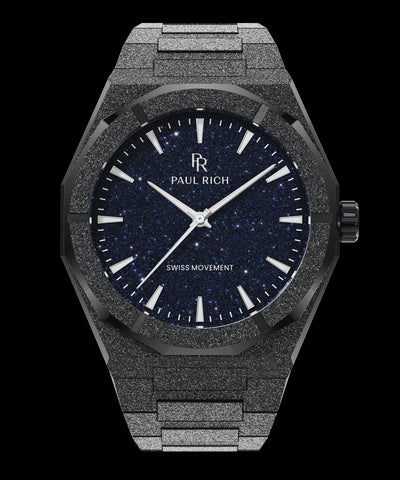
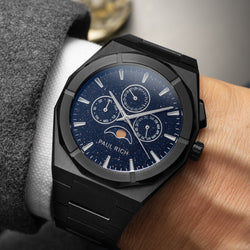
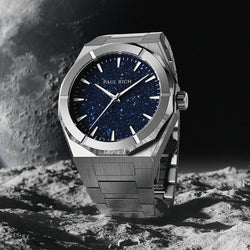
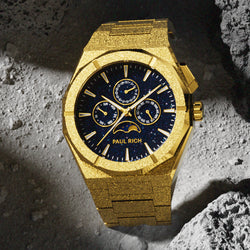
The Moonphase Star Dust II adds a fully integrated moonphase complication to the Frosted Star Dust II platform. Three subdials track day, date, and moon phase against the deep blue aventurine dial. The frosted stainless steel case and bracelet carry the same diamond-cut texture.
Moonphase complications from Swiss brands like Frederique Constant and Longines start at $1,500 to $3,000. At $449, the Moonphase Star Dust II delivers the complication with genuine aventurine and frosted finishing — materials those Swiss competitors do not offer at any price point.
The moonphase disc itself is a small detail that adds real mechanical charm. Watching the moon graphic track the actual lunar cycle through the dial aperture is the kind of subtle complication that makes a watch feel like more than a time-telling tool. It is functional — sailors, photographers, and outdoor enthusiasts use lunar data — but mostly it is just satisfying to own.
Available in Silver, Gold, Rose Gold, and Black.
Other Brands Worth Considering Under $1,000
We focus on what we build, but here is an honest look at the competition:
Tissot PRX Powermatic 80: Swiss-made automatic with an 80-hour power reserve and the integrated bracelet design that has dominated the last few years. Clean, well-executed, and backed by Swatch Group's supply chain. Expect to pay $650-$700. What it does not offer: natural stone dials, frosted finishing, or gemstone accents.
Seiko Prospex: Japan's best dive watch line. The SPB series offers genuine ISO-rated dive capability, hardlex or sapphire crystal, and the proven 6R35 automatic movement with 70-hour power reserve. Prices range from $500 to $900 depending on the model. What it does not offer: decorative finishing or material variety — these are pure tool watches.
Hamilton Khaki Field Automatic: Swiss-made field watches with 100m water resistance, sapphire crystal, and H-10 movements with 80-hour power reserve. Solid, understated, heritage-driven. Around $500-$700. What it does not offer: any visual drama. These are intentionally quiet.
Orient Star: Japan's underrated automatic brand. In-house movements, power reserve indicators, sapphire crystal. The Orient Star Diver and Classic lines offer serious specs at $400-$700. The trade-off: brand recognition is lower, and finishing is functional rather than striking.
What to Avoid Under $1,000
This price bracket attracts some questionable value propositions. Watch for these red flags:
- Fashion brand watches priced at $500+ — if the brand is primarily known for clothing, accessories, or lifestyle products, their watch division is typically a licensing deal with spec-level components marked up for the logo
- Mineral crystal at $500+ — sapphire crystal costs brands very little to implement at scale. If a $700 watch uses mineral glass, the savings are not going to you
- "Swiss parts" vs "Swiss Made" — these are legally distinct labels. "Swiss parts" means some components are Swiss; "Swiss Made" means the movement is Swiss and final assembly happened in Switzerland. Know which you are paying for
- Vague stone claims — if a watch claims diamond or gemstone accents without specifying lab-grown vs natural, carat weight, or certification, the stones are likely low-grade or synthetic alternatives like CZ
- Inflated MSRPs with permanent discounts — a watch "originally $2,000, now $800" was never worth $2,000. Look at what the brand actually sells at, not what they claim the price used to be
How to Buy Smart in This Range
Spending $1,000 on a watch is a real purchase. Here is how to make it count:
Prioritize materials you can verify. Sapphire crystal, specific movement calibers (NH35A, Sellita SW200, ETA 2824), certified lab-grown stones, genuine meteorite — these are all verifiable claims. If a brand cannot tell you exactly what movement is inside or what their crystal is made of, move on.
Consider the direct-to-consumer advantage. The same sapphire crystal, automatic movement, and natural stone dial that costs $800 from a brand selling direct would cost $2,000 to $3,500 through traditional retail channels. The materials are identical. The difference is distribution markup, retail rent, and wholesale margins. This is not a value judgment on either model — it is retail economics.
Buy for the spec, not the hype. At $1,000, you can get a genuinely impressive watch from multiple brands. The question is not "which brand is best" — it is "which specifications matter most to you." If you want gemstone accents and frosted finishing, that points one direction. If you want ISO-rated dive capability and 70-hour power reserve, that points another. Both are legitimate at this price.
Check the warranty and service story. A good watch at this price should come with at least a 2-year warranty and a clear path for servicing. Automatic movements need maintenance every 5-7 years. Know what that costs and where it happens before you buy.
Why the Under-$1,000 Range Matters in 2026
Ten years ago, $1,000 got you a decent Swiss automatic with a steel case and a simple dial. The movement was the selling point, and everything else was functional at best. That has changed. Lab-grown gemstones, genuine meteorite dials, forged carbon fiber, natural aventurine — these materials used to be locked behind price points of $5,000 or more. They are now available under $1,000 because the manufacturing technology has caught up and direct-to-consumer brands have eliminated the retail markup that kept prices artificially high.
This does not mean every $1,000 watch is good. It means the best ones are better than they have ever been at this price. The gap between a $1,000 watch and a $5,000 watch is narrower than it was in 2016, and in some cases — material science, gemstone quality, dial complexity — the under-$1,000 options are genuinely competitive with watches that cost five times as much. The brands that understand this are building watches that punch up. The ones that do not are coasting on logos and legacy pricing.
The Verdict
Under $1,000 in 2026, the best watches combine meaningful materials with genuine mechanical interest. The Moissanite Frosted Star Dust II at $849 offers 5.67 carats of IGI-certified moissanite on a frosted stainless steel case — no other brand comes close to that material density at this price. The Astro Meteora puts genuine meteorite on your wrist for $449-$499. The Aquacarbon Pro delivers serious dive capability with forged carbon starting at $227.
For Swiss-made reliability, Tissot PRX and Hamilton Khaki remain strong choices. For Japanese mechanical excellence, Seiko Prospex and Orient Star are hard to beat.
The common thread: at $1,000, every dollar should translate into materials, movement, or finishing you can see and feel. If it does not, the brand is charging for something other than the watch.