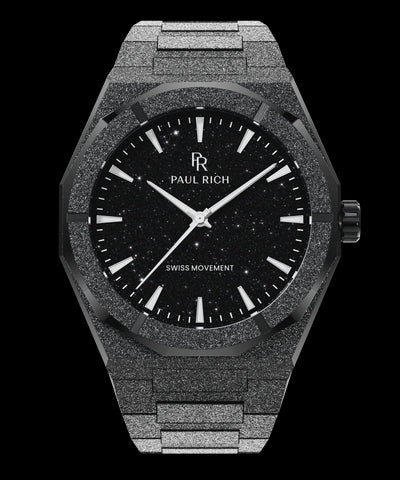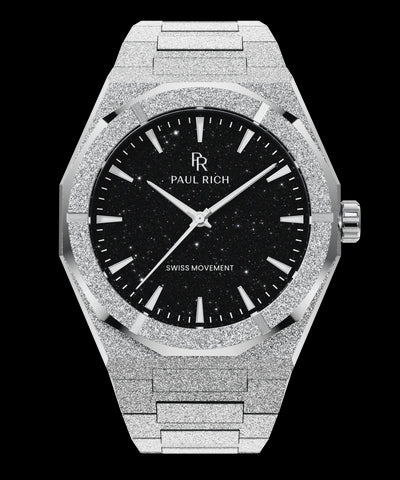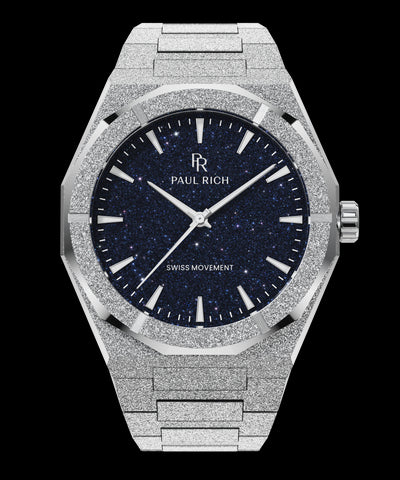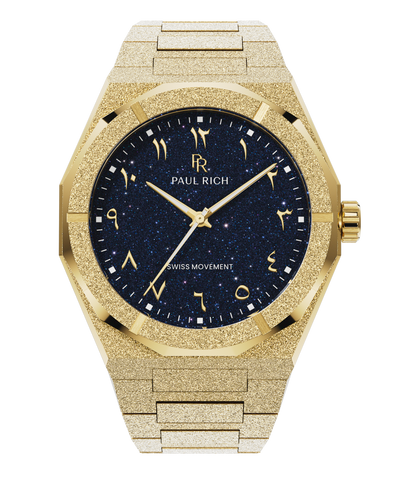

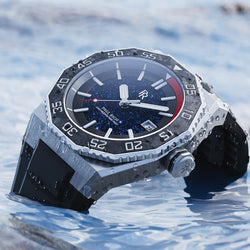
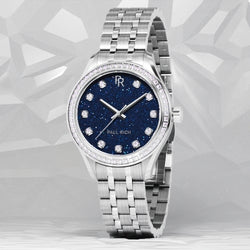
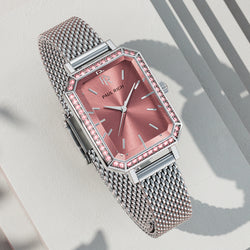
There are round watches. There are square watches. And then there is the tonneau -- a case shape that has been quietly commanding attention for over a century, and is now having its loudest moment in decades. If you have been drawn to watches that look different without trying too hard, you are probably already feeling the pull of the barrel-shaped case.
Here is why the tonneau is trending, how it compares to other case shapes, and where to find one that matches your budget and your standards.
What Is a Tonneau Watch?
Tonneau is the French word for "barrel," and that describes the case shape precisely. A tonneau watch is wider through the middle and tapers toward the lugs, creating a smooth, curved silhouette that follows the natural contour of the wrist. It is not round. It is not rectangular. It sits somewhere in between -- an organic shape that feels intentional rather than indecisive.
The tonneau case first appeared in watchmaking around 1906, when Cartier introduced designs that broke from the dominant round pocket watch aesthetic. This was an era when wristwatches were still a novelty, and Cartier's tonneau was one of the first purpose-built wristwatch shapes -- designed from the ground up to sit on the wrist rather than in a pocket. The curved case hugged the forearm naturally, and the elongated dial gave more surface area for legibility without adding bulk.
Through the 1920s and 1930s, the tonneau became a signature of Art Deco watchmaking. While round cases dominated the mass market, the barrel shape was the choice of designers who cared about proportion and visual weight. Then, like most things with strong aesthetic opinions, it cycled in and out of favor over the following decades.
What never changed is the fundamental logic of the shape. The human wrist is not round -- it is oval. A tonneau case respects that anatomy in a way that a perfectly circular case does not.
Why Tonneau Watches Are Trending Again
The current tonneau resurgence is not happening in isolation. It is part of a broader shift in how people think about watches and personal style.
The Art Deco revival is real. Architecture, interior design, fashion, and jewelry have all been pulling from 1920s and 1930s aesthetics for the past several years. Clean geometric lines, stepped profiles, and organic curves are everywhere -- from building facades to cocktail rings. The tonneau case is a natural fit for this visual language. It carries Art Deco DNA without needing to shout about it.
People want alternatives to round. Round watches are safe. They are also ubiquitous. If you walk into any watch store, ninety percent of what you see will be circular. There is nothing wrong with that -- round is a proven, versatile shape. But as more people treat watches as a form of self-expression rather than pure timekeeping, the demand for something with more visual personality has grown. The tonneau satisfies that demand without going as far as a wildly unconventional case shape. It reads as confident, not experimental.
Social media rewards distinctive silhouettes. On a wrist shot taken for Instagram, a tonneau watch is immediately identifiable. It does not blend into the sea of round dials that dominate most feeds. This is not about being flashy -- it is about having a shape that communicates something even in a small image. Watch enthusiasts and casual collectors alike have noticed that certain case shapes simply photograph better on the wrist.
Brands are investing in it again. When Cartier, Franck Muller, and other established houses continue to refine their tonneau offerings, and newer brands introduce their own barrel-shaped collections, the market pays attention. It is no longer just a vintage curiosity or a niche collector's preference. The tonneau is being treated as a serious, production-worthy shape across price points.
Tonneau vs. Round vs. Square: How They Compare on the Wrist
Choosing a case shape is partly aesthetic and partly ergonomic. Here is how the three main options stack up in practice.
Round cases are the default. They distribute visual weight evenly in all directions, which makes them forgiving on different wrist sizes. A 40mm round watch can look proportional on a wide range of wrists. The downside is that round cases can feel generic, especially at common diameters. They also tend to sit slightly higher on the wrist because the case extends equally beyond the wrist edges in every direction.
Square and rectangular cases make a strong statement. They have clear architectural lines that appeal to people who like geometry in their accessories. On the wrist, they can feel polarizing -- they look sharp on some forearms and awkward on others, depending on wrist width and bone structure. The hard corners can also catch on shirt cuffs more easily than rounded shapes.
Tonneau cases split the difference. The curved edges follow the wrist's natural shape, which means they tend to sit flatter and feel more integrated with the forearm. The tapered profile -- wider in the middle, narrower at the lugs -- creates a sense of length without excessive width. This often translates to a watch that looks larger on the dial but wears more compact than its dimensions suggest. The curved case also slips under a cuff more easily than a square case of similar size.
The practical takeaway: if you have been wearing round watches and they feel a little predictable, but you are not ready for the angularity of a square case, the tonneau is the natural middle ground. It has personality without compromise.
The Best Tonneau Watches at Every Budget
The tonneau watch market spans from entry-level to six figures. Here are the names worth knowing at each tier.
The Icons: Cartier and Franck Muller
Any conversation about tonneau watches starts with Cartier. The Tonneau de Cartier, reissued and refined multiple times since its 1906 debut, remains the definitive expression of the barrel case in high horology. It is thin, elegant, and unmistakably Cartier -- Roman numerals, blued hands, a case shape that feels like it invented the category (because it did). Current models start around $10,000 and climb significantly from there.
Franck Muller took the tonneau in a completely different direction. Where Cartier is restrained and classical, Franck Muller's Cintrée Curvex and Vanguard collections are bold, oversized, and unapologetically maximalist. The brand essentially built its identity around the barrel shape, pushing it into complicated watches, color-saturated dials, and statement pieces that are impossible to ignore. Depending on the model and complications, Franck Muller tonneau watches range from roughly $5,000 to well into six figures.
Mid-Range: $500 to $2,000
The mid-tier is where the tonneau gets interesting for most buyers. Several brands have been producing quality barrel-shaped watches with reliable movements and solid finishing in this range. Tissot has periodically offered tonneau models with Swiss quartz and automatic movements. Bulova has explored the shape with its Curv collection, which features a curved chronograph movement designed specifically for the case profile -- a genuine technical achievement at its price point. Hamilton and Seiko Presage have also released limited-run tonneau models that attract serious collectors.
Under $500: Tonneau Watches That Deliver
This is where the market has expanded the most in recent years. The barrier to owning a well-made tonneau watch has dropped significantly, and several brands are building barrel-shaped cases with materials and movements that would have been exclusive to higher price points a decade ago.
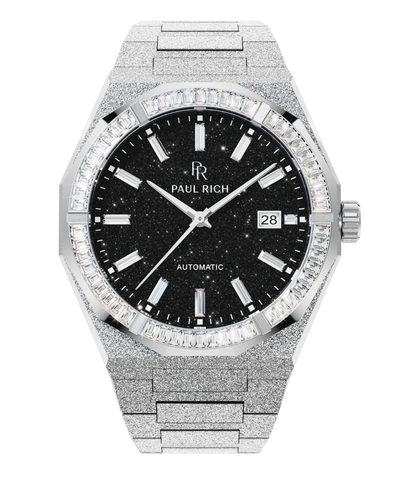
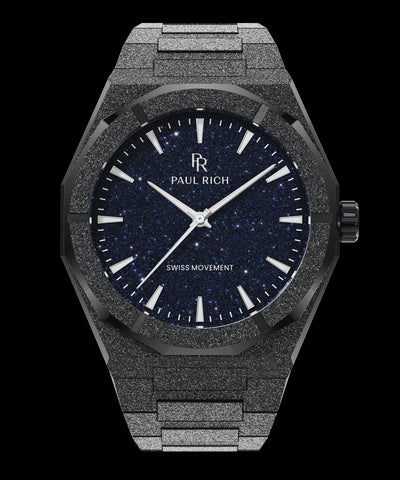
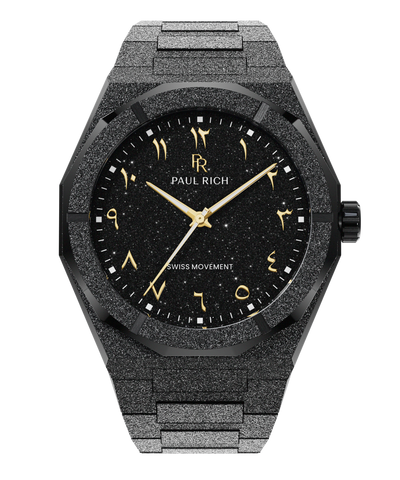
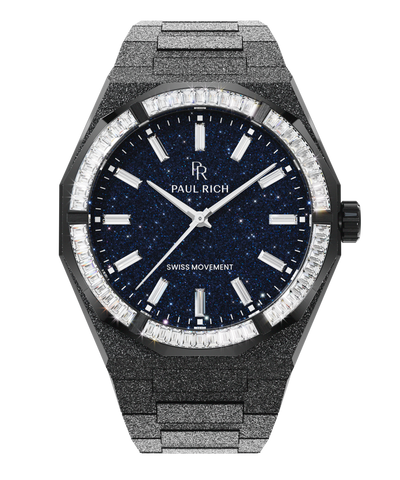
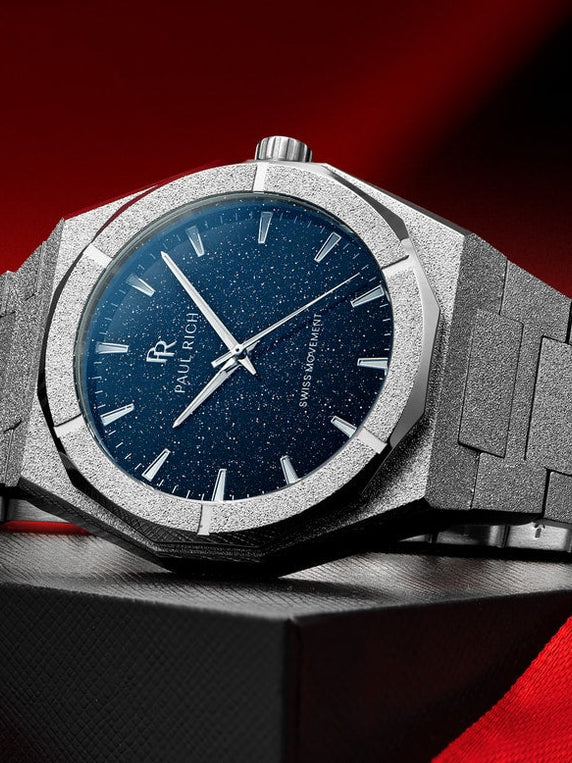
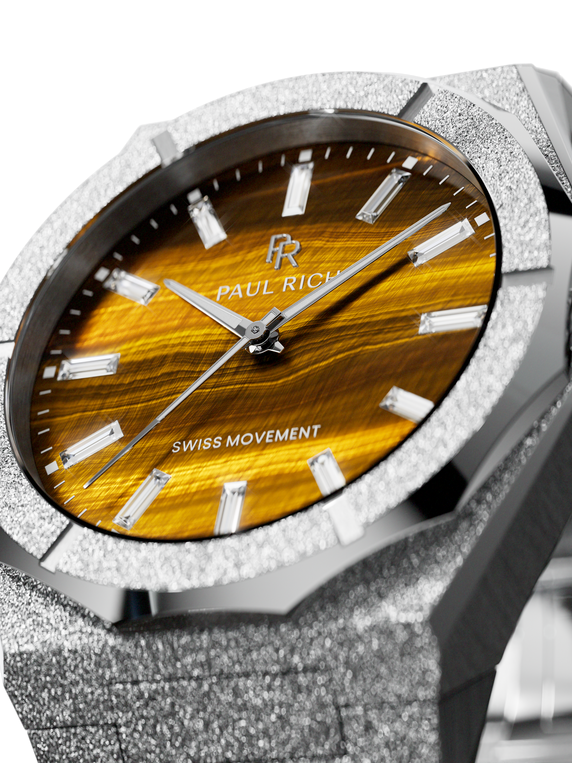
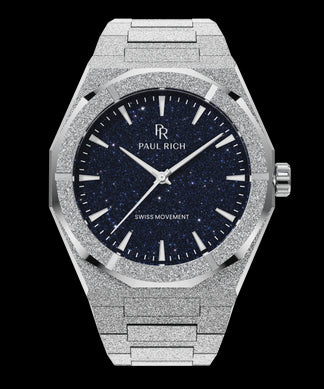
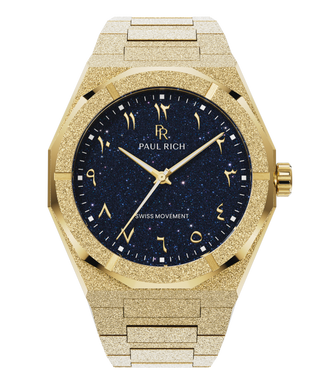
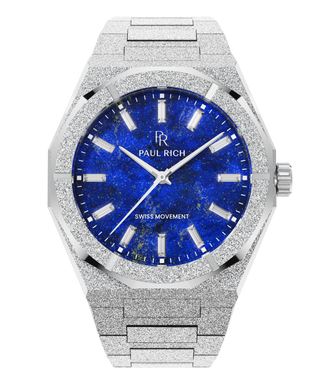
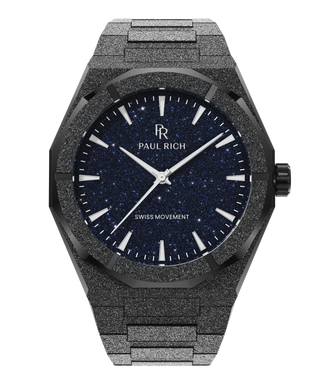
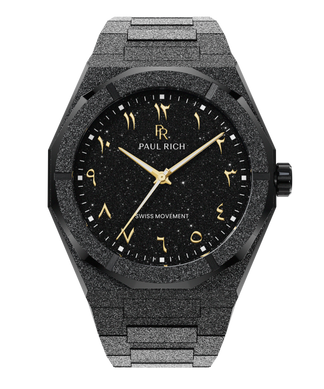
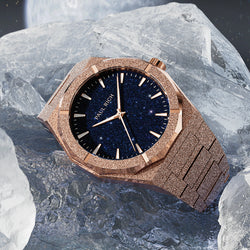
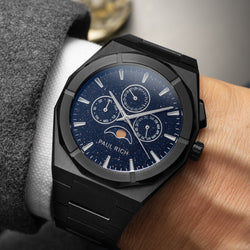
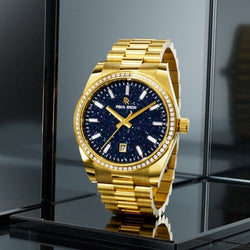
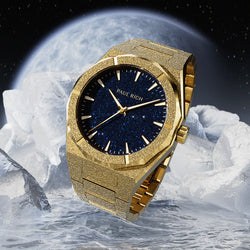
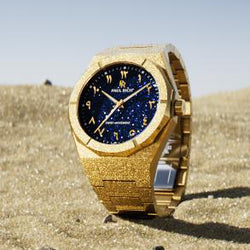
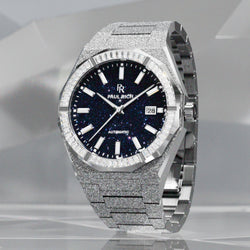
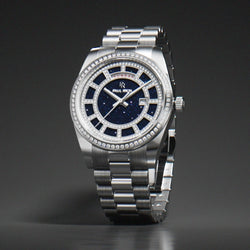
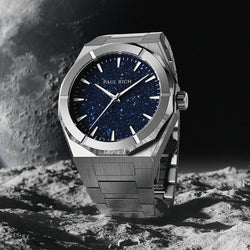
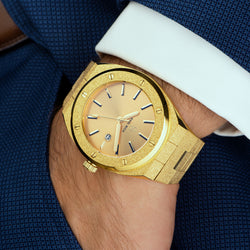
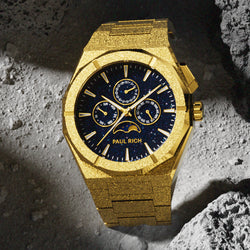
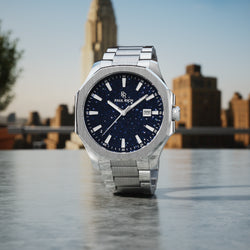
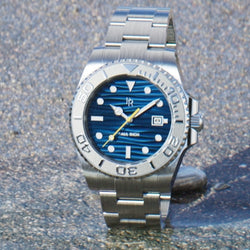
The Paul Rich Astro collection sits right in this space. The full Astro range -- from the Astro Classic to the Astro Day & Date to the Astro Skeleton -- is built entirely around a tonneau case. These are not round watches with curved branding. They are purpose-designed barrel-shaped timepieces with the proportions and visual weight that the shape demands. We will get into the specifics below.
The Astro Collection: Paul Rich's Tonneau Range
When we set out to design the Astro, the tonneau case was the starting point -- not an afterthought. The entire collection is built around a 42.5mm barrel-shaped stainless steel case that tapers from a wide mid-section to integrated lugs at the top and bottom. The result is a watch that wears more like a 40mm round case in terms of comfort, but delivers substantially more visual presence on the wrist.
The collection covers several tiers, each building on the same tonneau foundation:
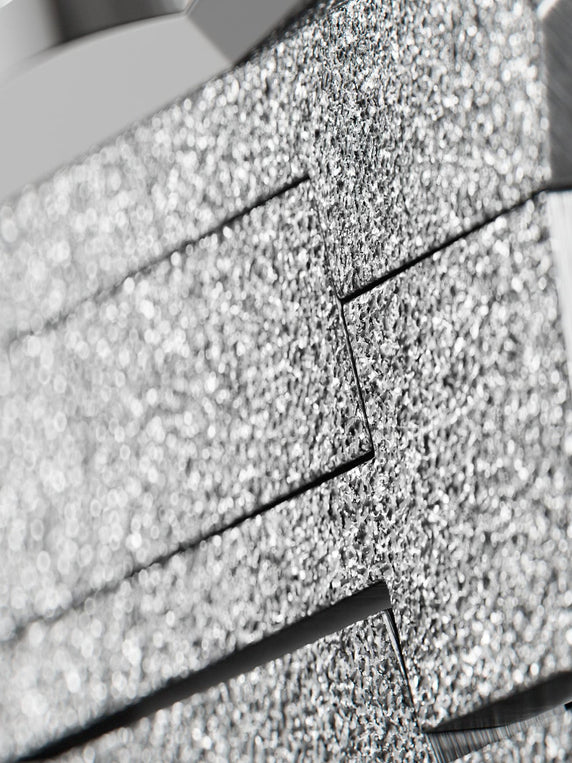
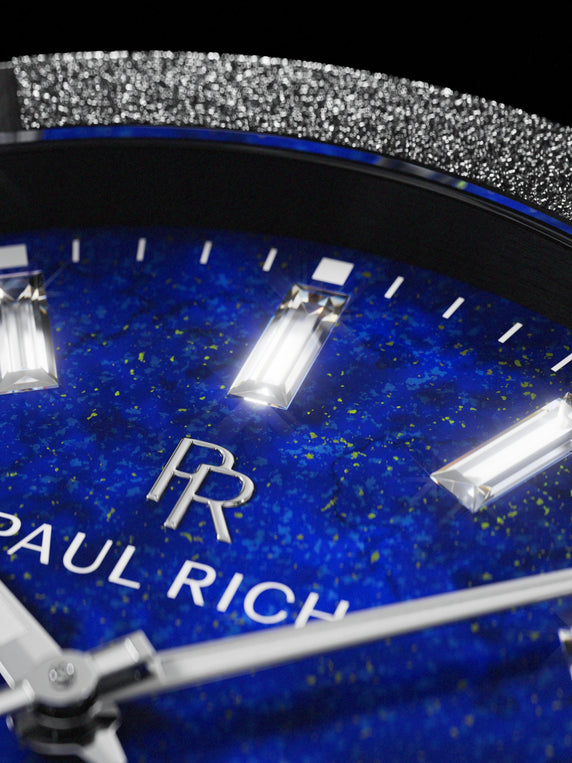
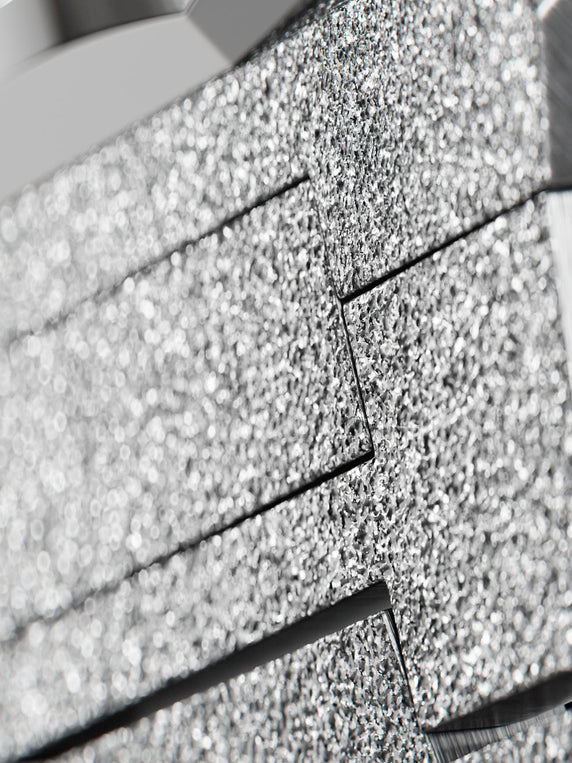
Astro Classic ($349-$379) -- The entry point. Japanese quartz movement, aventurine blue dial with a deep, reflective surface that shifts in the light, and frosted stainless steel finishing on the case. This is the tonneau for everyday wear: reliable, visually distinctive, and low-maintenance.
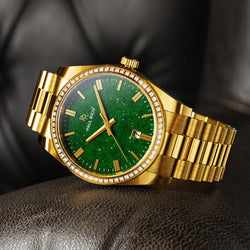
Astro Day & Date ($339-$399) -- Same tonneau case with the addition of a day and date complication. The dual apertures on the dial add functional depth to the design without cluttering it. Japanese quartz movement, mineral crystal glass, and the same aventurine dial treatment across the range.
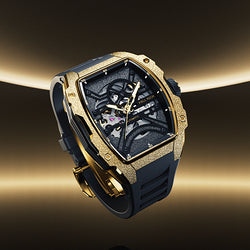
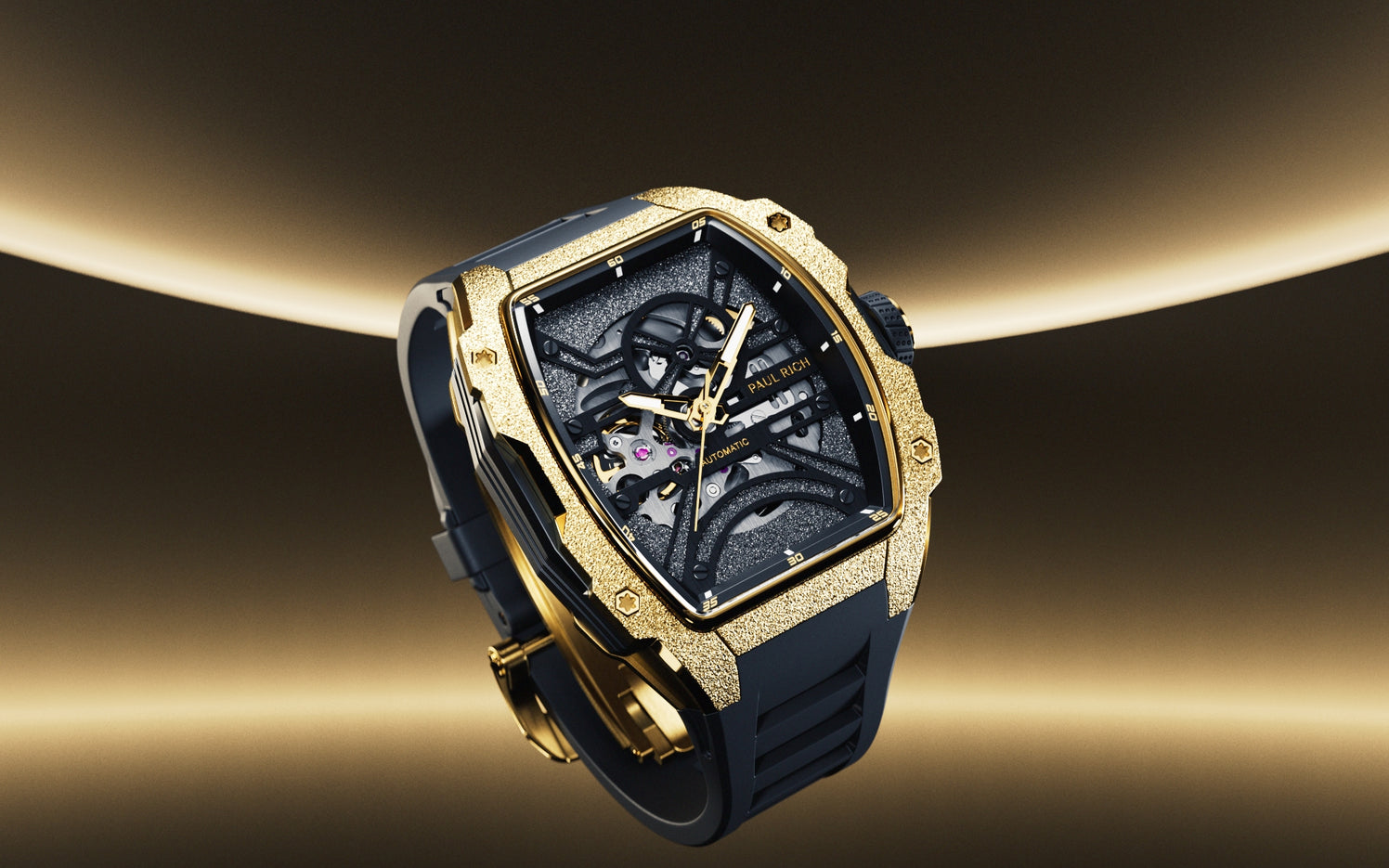
Astro Skeleton ($499) -- This is where the tonneau shape earns its keep. The skeleton dial opens the movement to full view -- frosted baseplates and bridges visible in real time through the front and through the exhibition case back. The movement is a Japanese automatic Seiko NH70A, so it is powered by the motion of your wrist rather than a battery. The case measures 42.5mm with a 13.8mm thickness and a 51.5mm lug-to-lug span. It sits on a premium silicone strap with anti-static coating, 20mm width. Sapphire-coated mineral crystal protects the dial. Water resistant to 5 ATM.
The skeleton dial and the tonneau case are a natural pairing. The barrel shape gives the open-worked movement more visual room to breathe than a round case of similar diameter. You see more of the mechanics, and the elongated proportions frame the movement like an architectural window rather than a porthole.
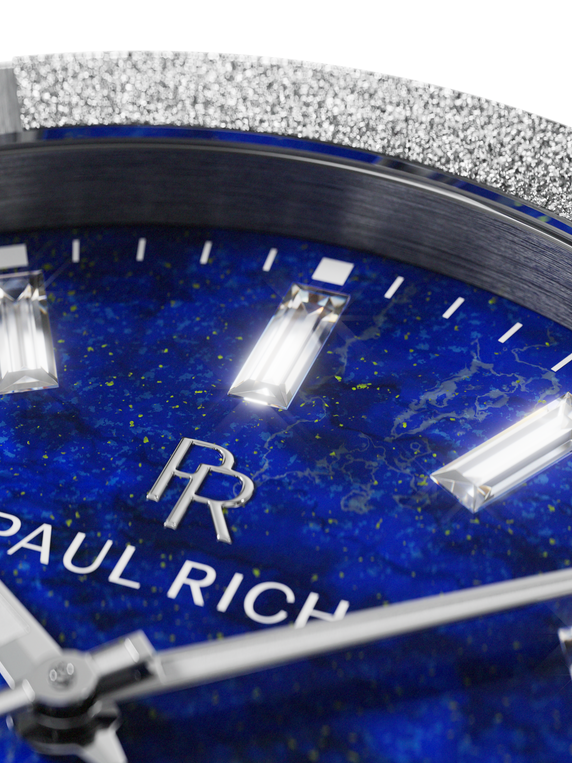
Diamond Astro Skeleton ($1,499) -- The top of the Astro line. Lab diamonds set into the case, sapphire crystal glass, and the same automatic movement. This is the tonneau dressed up for occasions where you want the shape to make a statement beyond the silhouette alone.
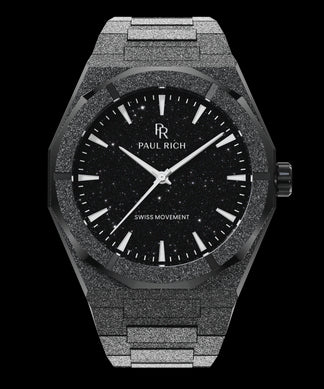
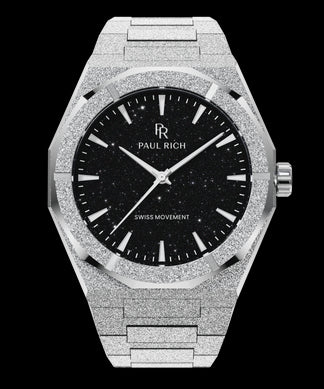
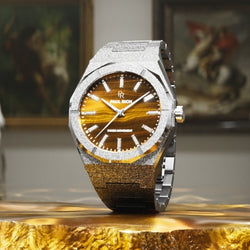
Every Astro model comes in multiple colorways -- Abyss Silver, Eclipse Gold, Galaxy Black, Lunar Silver, and Mason Gold -- so the barrel shape translates across both warm and cool metal tones. The tonneau case is the constant; the finishing and complications scale with the range.
How to Style a Tonneau Watch
The tonneau case is more versatile across dress codes than most people expect. The elongated profile reads slightly more refined than a typical round sports watch, which means it transitions naturally from casual to dressed-up settings.
With a t-shirt and jeans, the barrel shape adds visual interest without looking over-dressed. Under a dress shirt cuff, the tapered lugs slip in and out more smoothly than a wide-lug round watch. On a strap, the tonneau shape creates a continuous line from case to wrist -- less of a visual break between watch and band, because the case is already following the curve of your arm.
For more on pairing watches with what you wear, see our guide on how to match your watch to your outfit.
Is a Tonneau Watch Right for You?
If you have a collection of round watches and want to diversify without going into left field, the tonneau is the logical next step. It is different enough to stand out, familiar enough to wear with confidence, and historically grounded enough to never feel like a trend piece -- even when it is trending.
The shape works on most wrist sizes. The tapered profile means it is forgiving at larger diameters, so a 42.5mm tonneau (like the Astro) wears closer to a 40mm round watch in perceived size. If you have a smaller wrist and have been limited to sub-40mm round watches, a well-proportioned tonneau might open up options you did not think would work.
The tonneau just happens to be the shape generating the most new energy right now -- and has been doing so, off and on, since 1906.